

Notation, in context
Read what the score is asking.
Five connected families of notation, with 84 real examples drawn from the score library.
Shape volume and direction
Dynamics
Read pp through ff as members of one loudness family, then follow hairpins as sound grows or recedes.
-
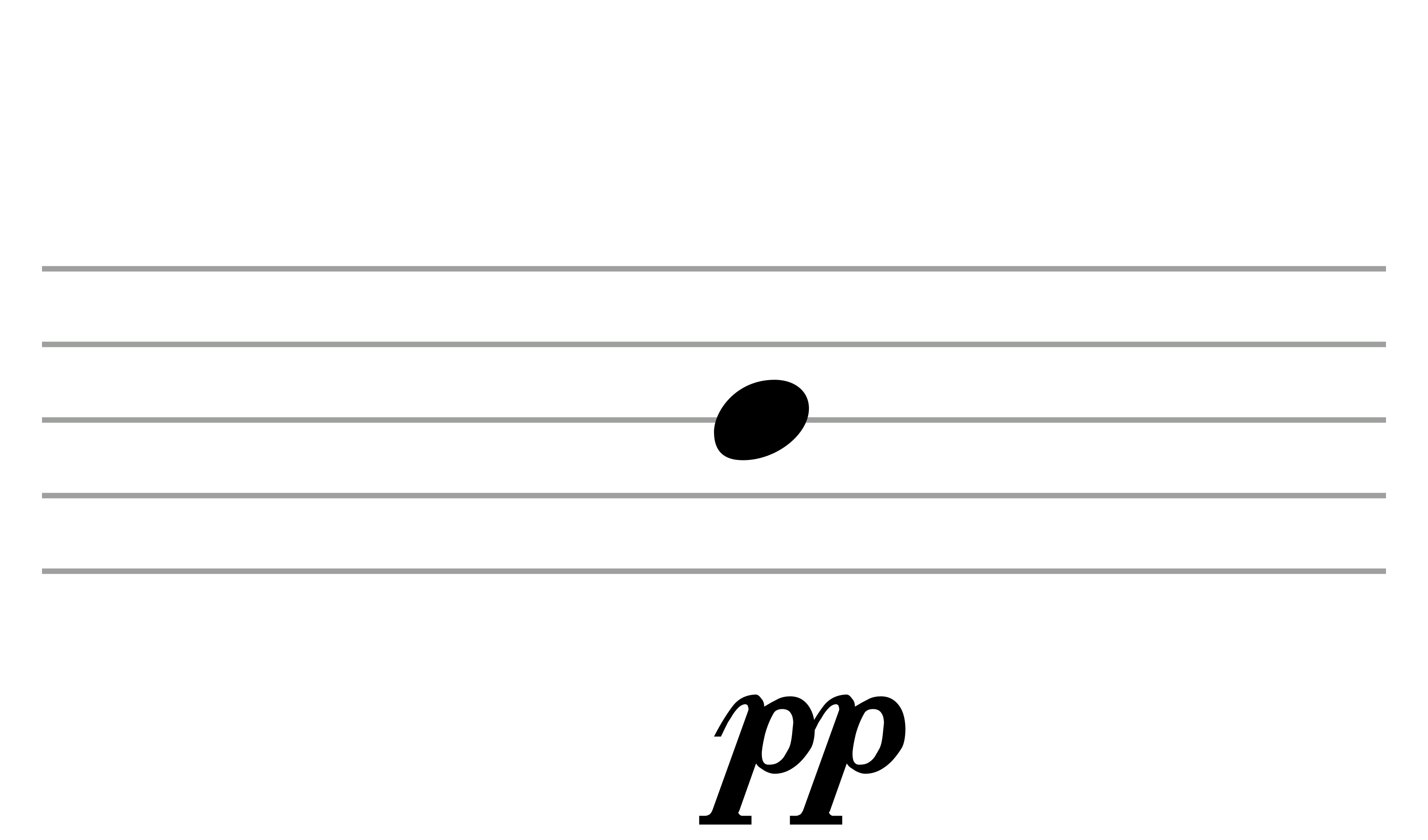
From Ah, Love, but a Day!, Op. 44 No. 2 (piano part) by Amy Beach, source measure 1. -
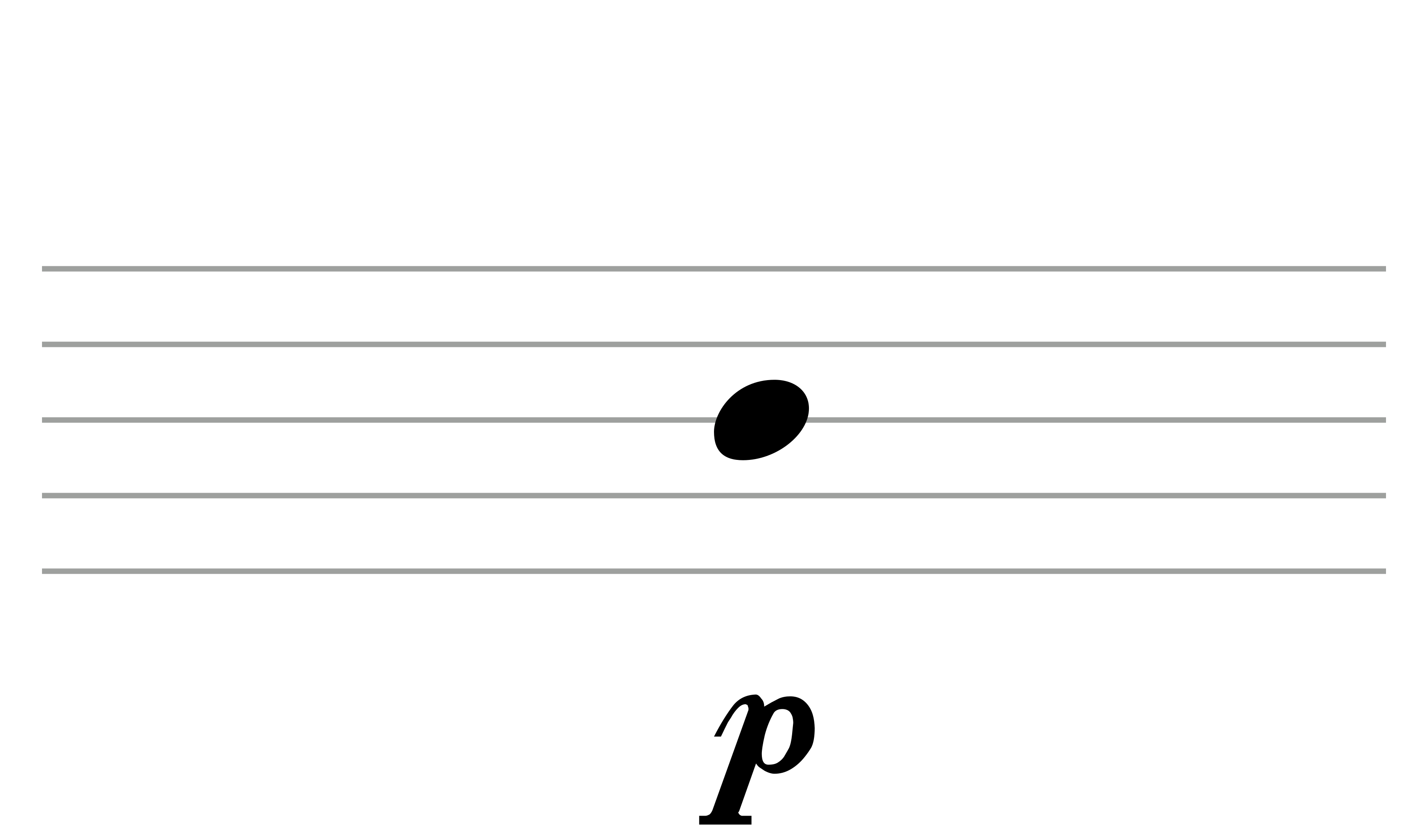
From Minuet in G Major by J.S. Bach (attrib.; BWV Anh. 114, likely Christian Petzold), source measure 25. -
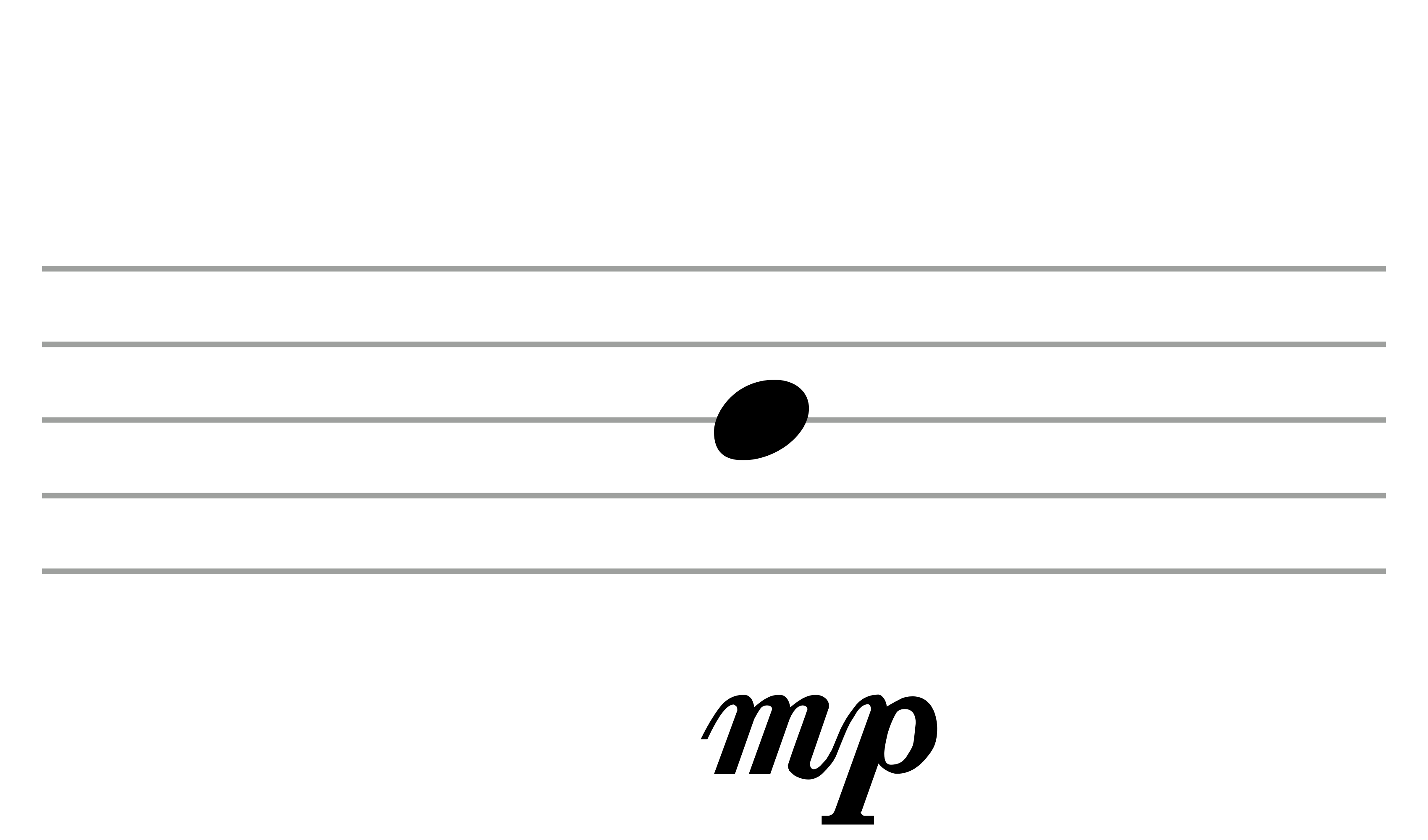
From Moonlight Sonata, Op. 27 No. 2 — 1st Movement by Ludwig van Beethoven, source measure 27. -
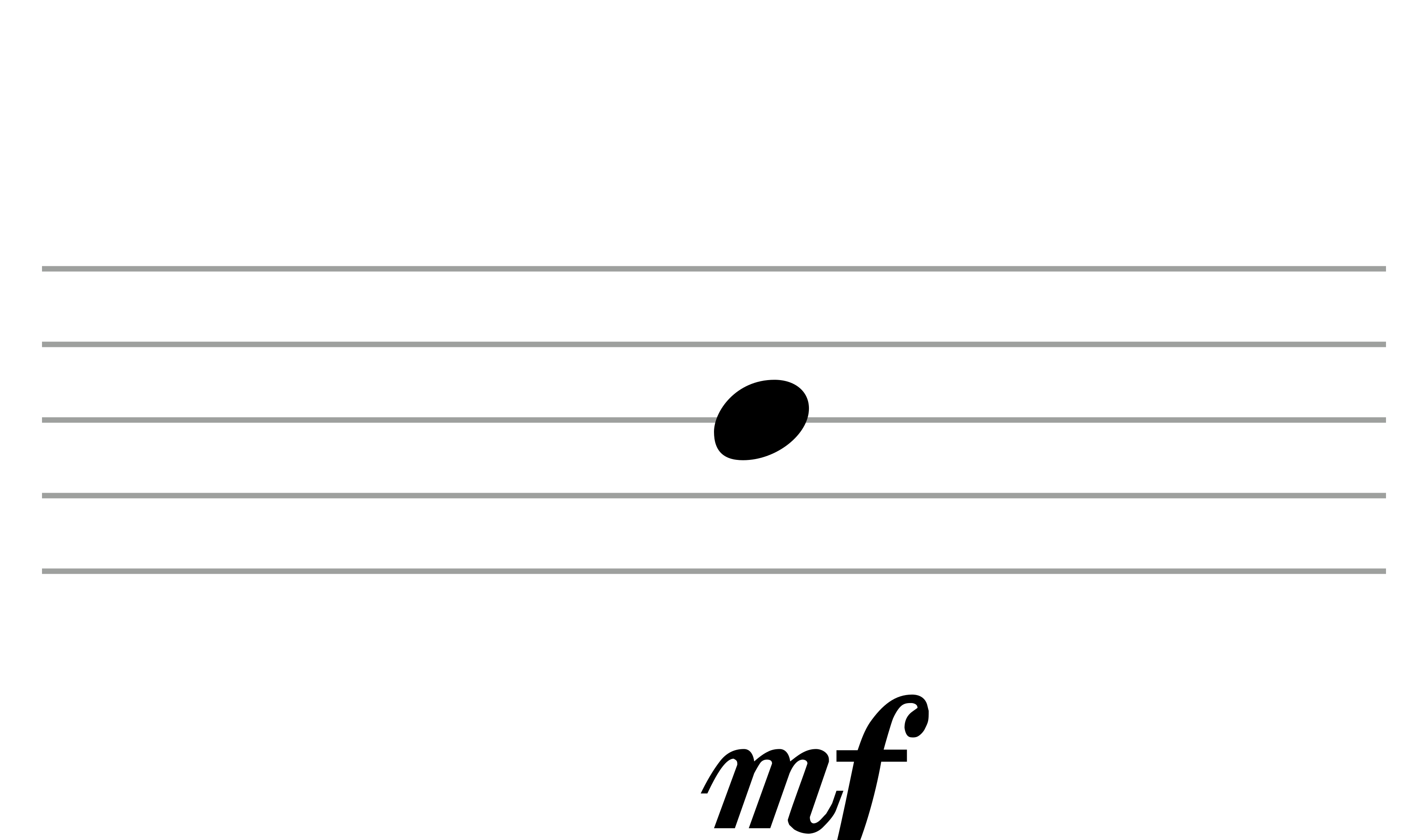
From Minuet in G Major by J.S. Bach (attrib.; BWV Anh. 114, likely Christian Petzold), source measure 1. Mezzo forte (mf)
Play moderately loudly: present and full without reaching forte.
Open the live example -
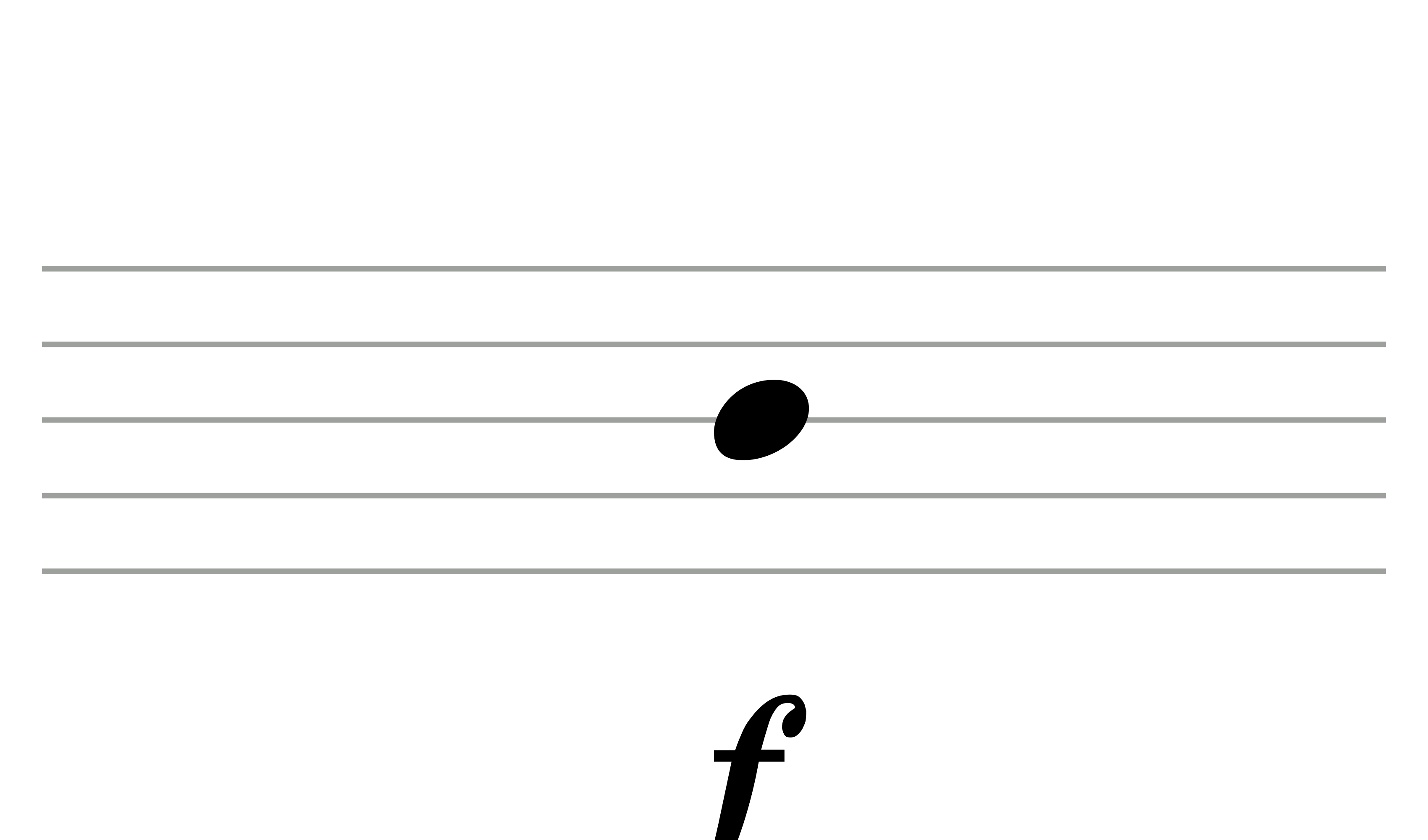
From Ah, Love, but a Day!, Op. 44 No. 2 (piano part) by Amy Beach, source measure 15. -
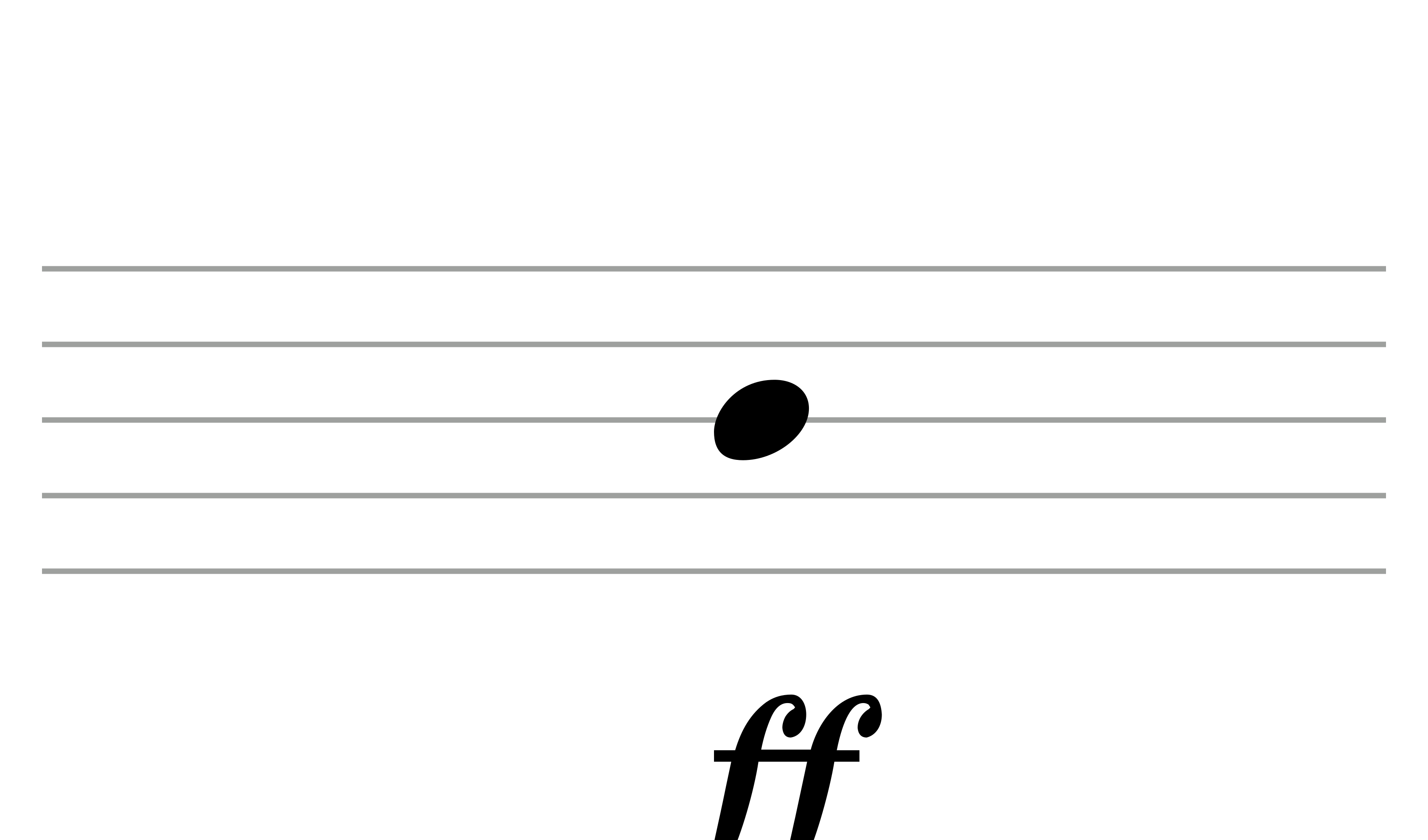
From Toccata and Fugue in D Minor, BWV 565 (Piano Solo) by J.S. Bach, source measure 2. Fortissimo (ff)
Play very loudly with breadth, clarity, and reserve against distortion.
Open the live example -
From Air on the G String by J.S. Bach, source measure 6. -
From Air on the G String by J.S. Bach, source measure 7.
Shape attacks, releases, and musical sentences
Articulation and phrasing
Compare marks that change a single note's attack with curves and breaks that organise a longer phrase.
-
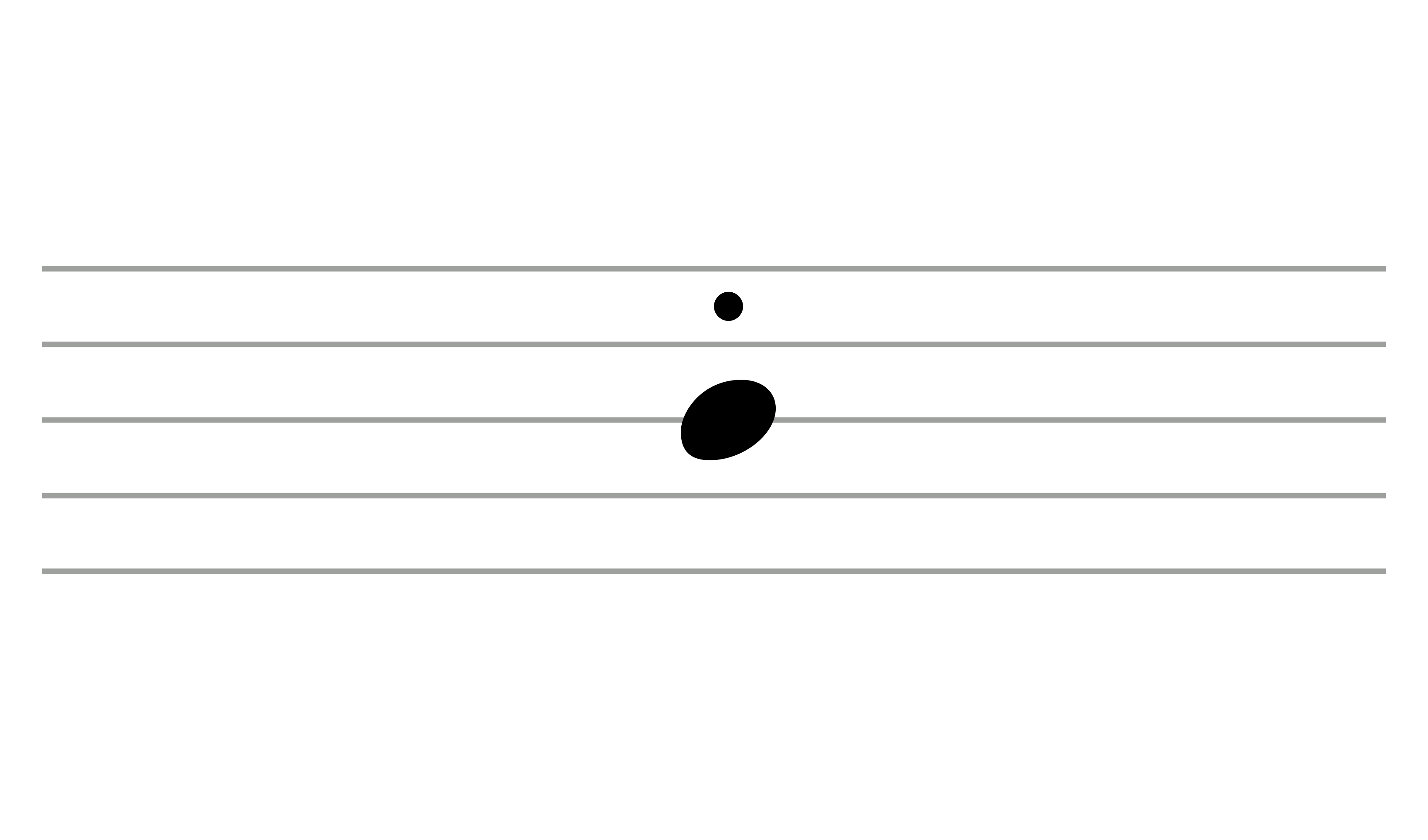
From Minuet in G Major by J.S. Bach (attrib.; BWV Anh. 114, likely Christian Petzold), source measure 2. -
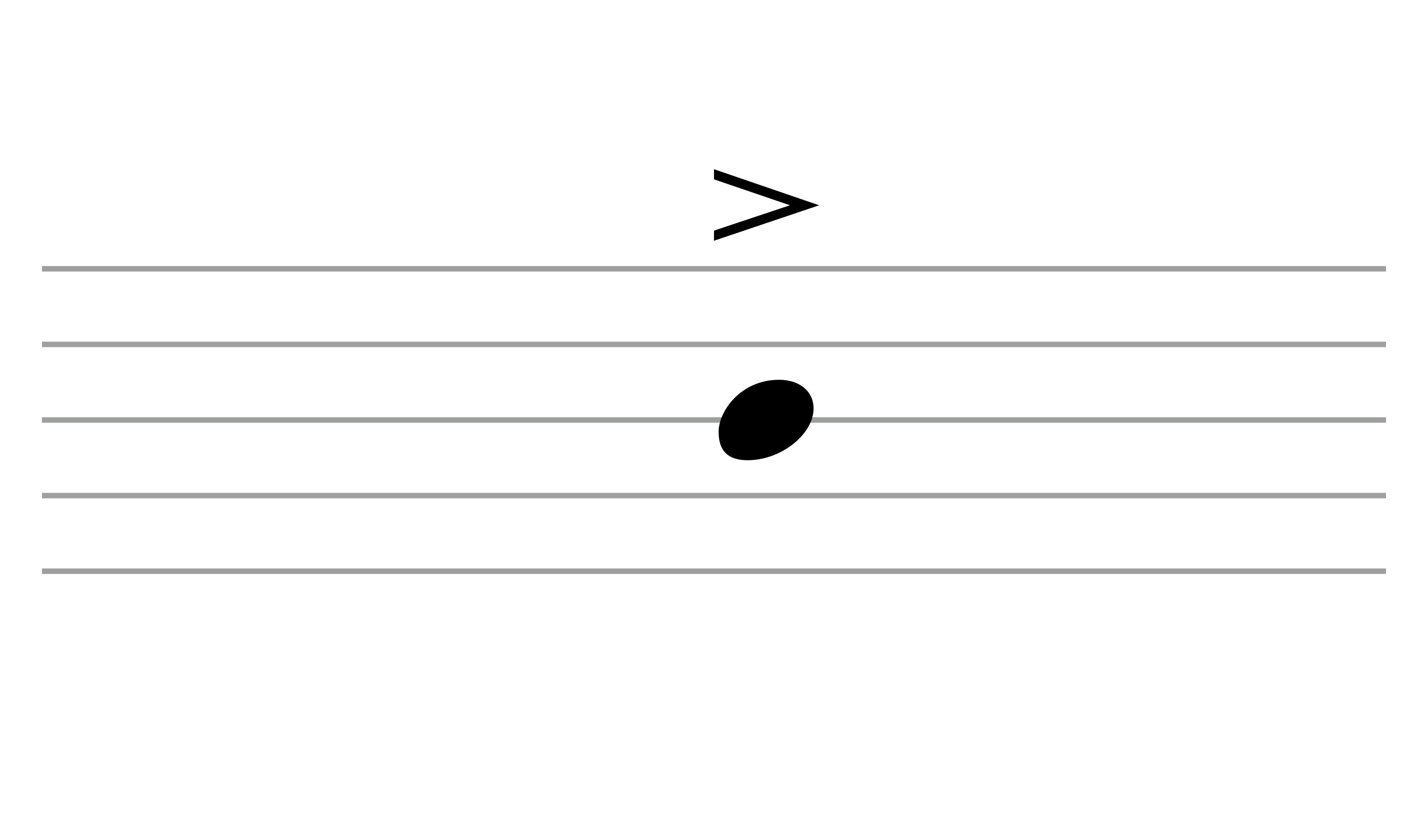
From Ah, Love, but a Day!, Op. 44 No. 2 (piano part) by Amy Beach, source measure 40. -
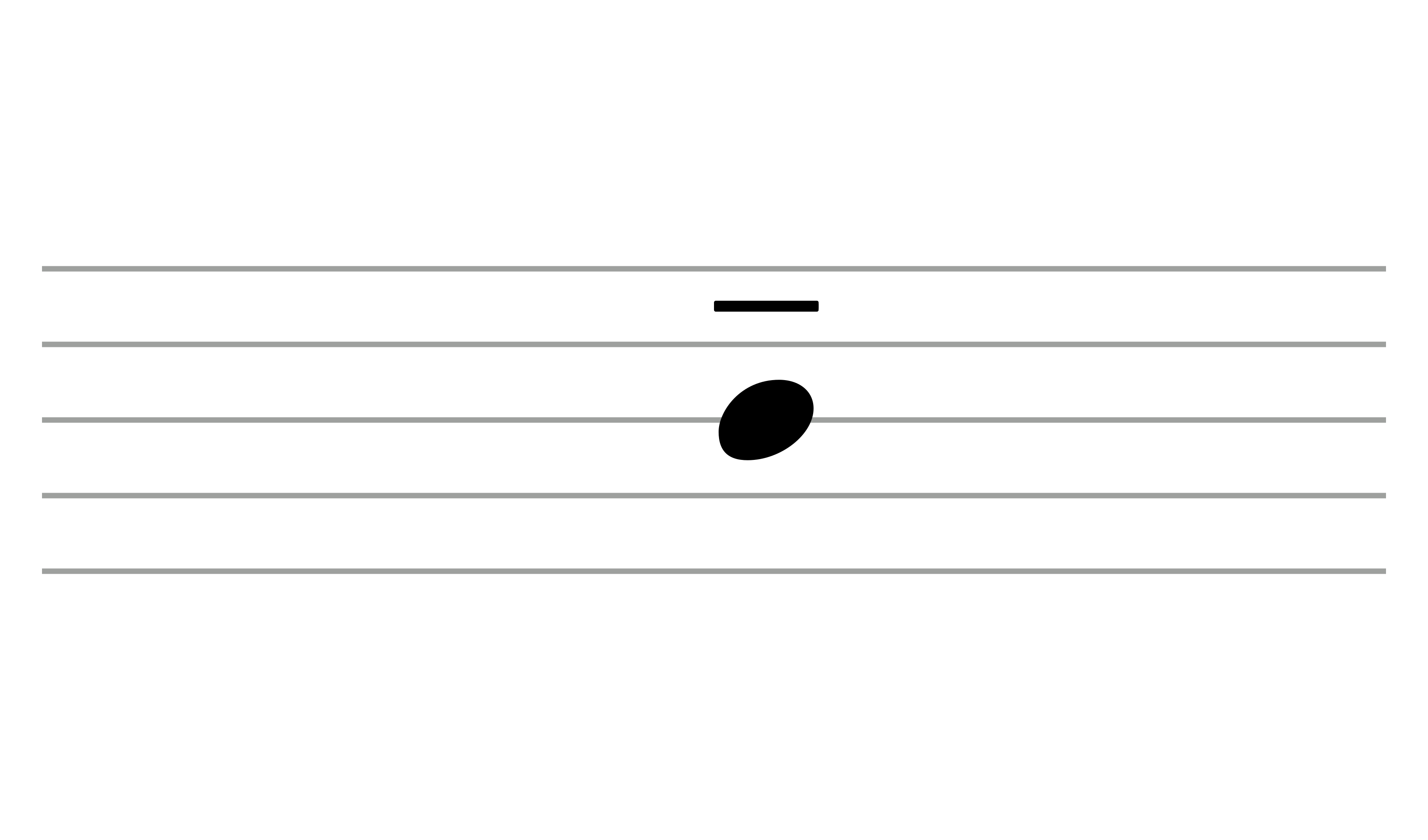
From Fairy Lullaby, Op. 37 No. 3 (piano part) by Amy Beach, source measure 35. -
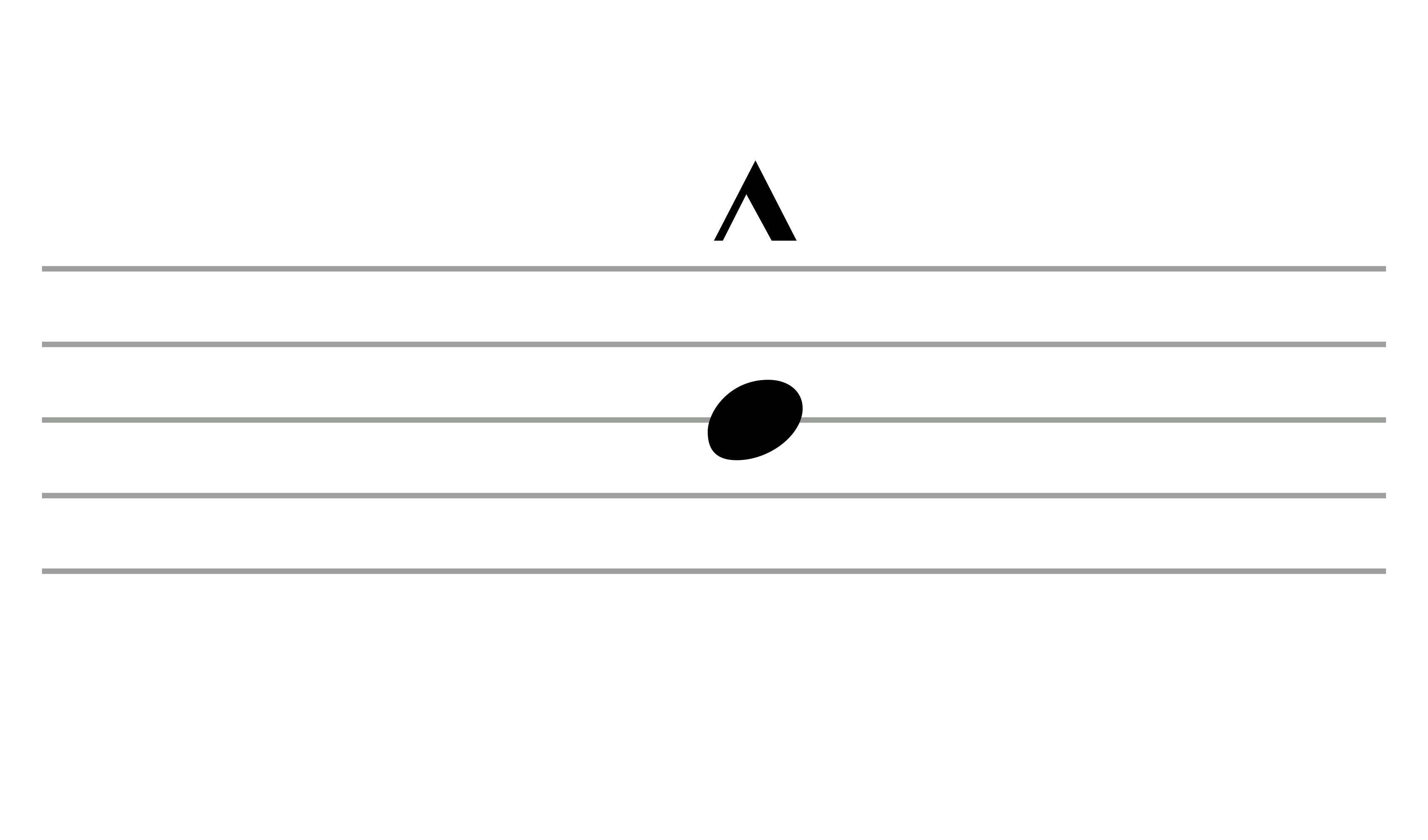
From The Entertainer by Scott Joplin, source measure 4. Marcato
Play the note strongly marked, with more forceful definition than an ordinary accent.
Open the live example -
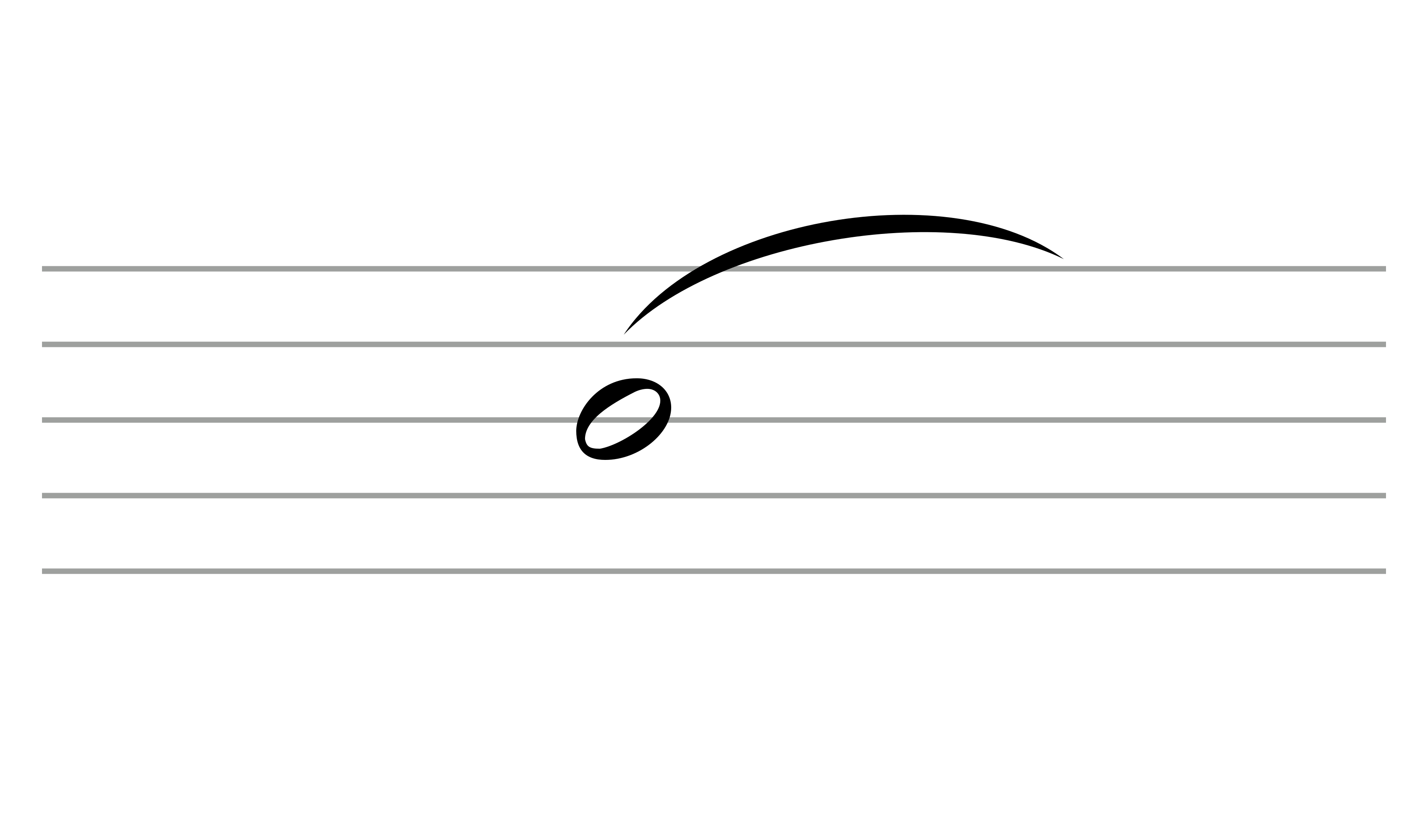
From Minuet in G Major by J.S. Bach (attrib.; BWV Anh. 114, likely Christian Petzold), source measure 1. -
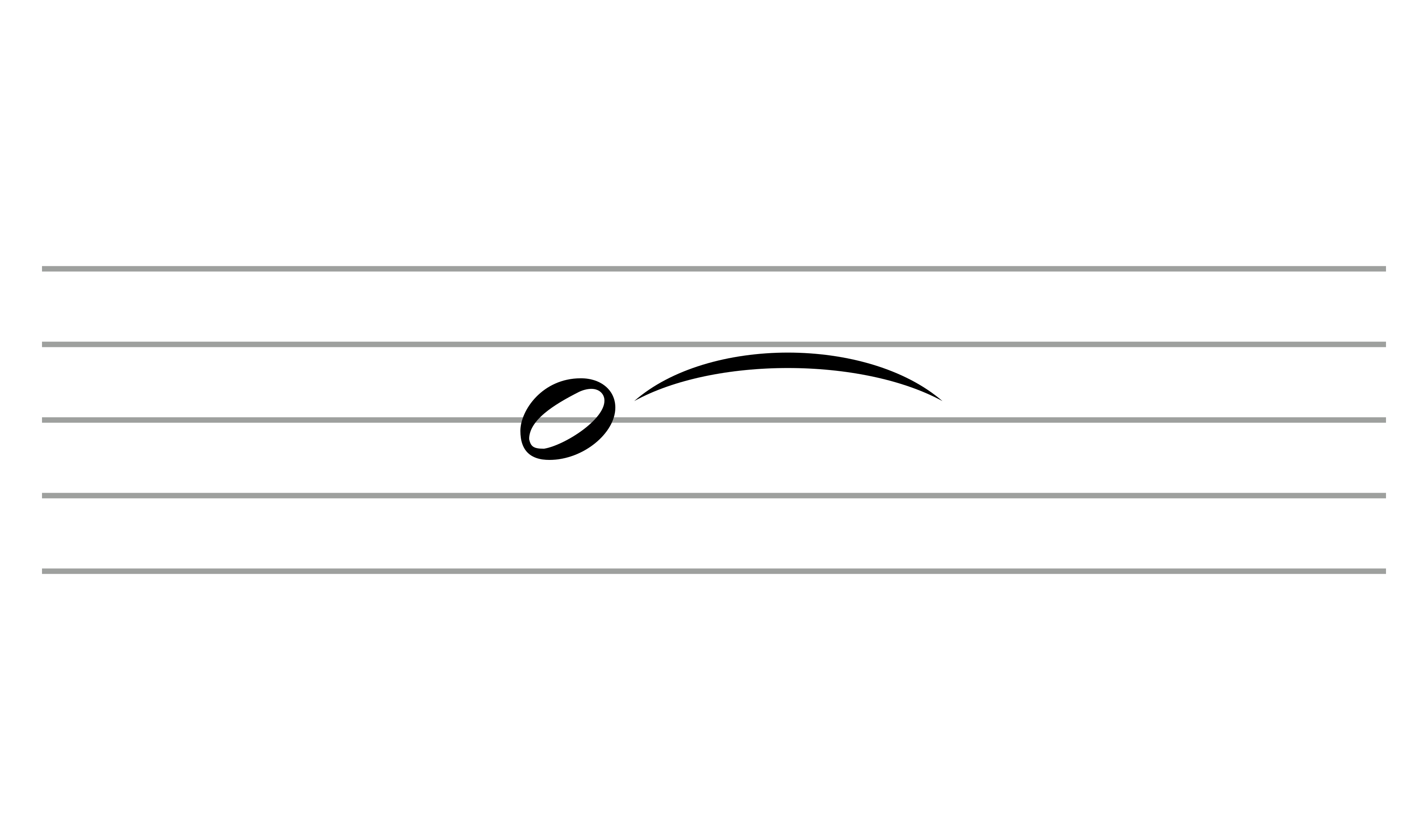
From By Dimpled Brook (piano part) by Thomas Arne, source measure 6. -
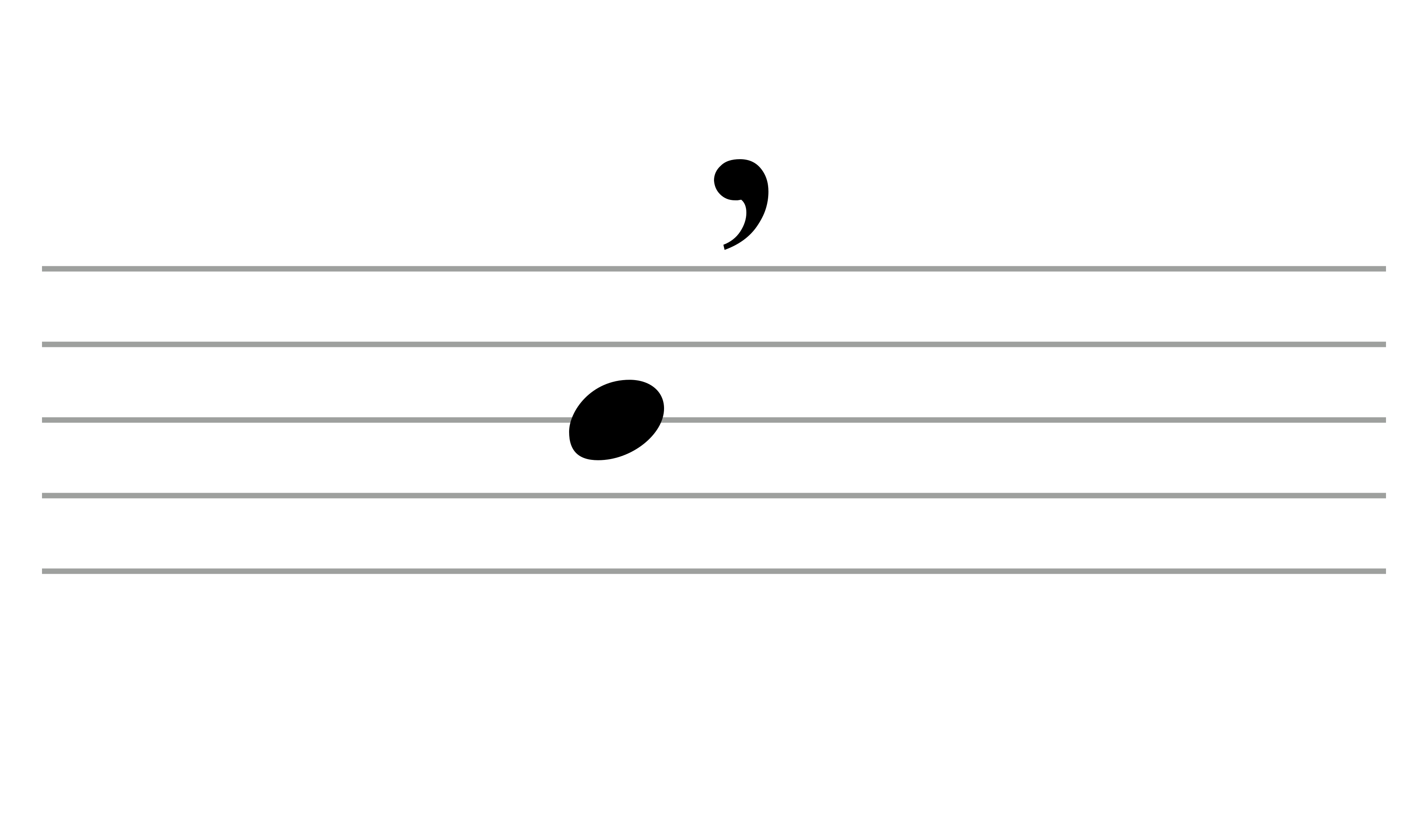
From Deux ancolies (piano part) by Lili Boulanger, source measure 11. Breath mark
Make a brief lift before the next phrase, like a singer taking breath.
Open the live example -
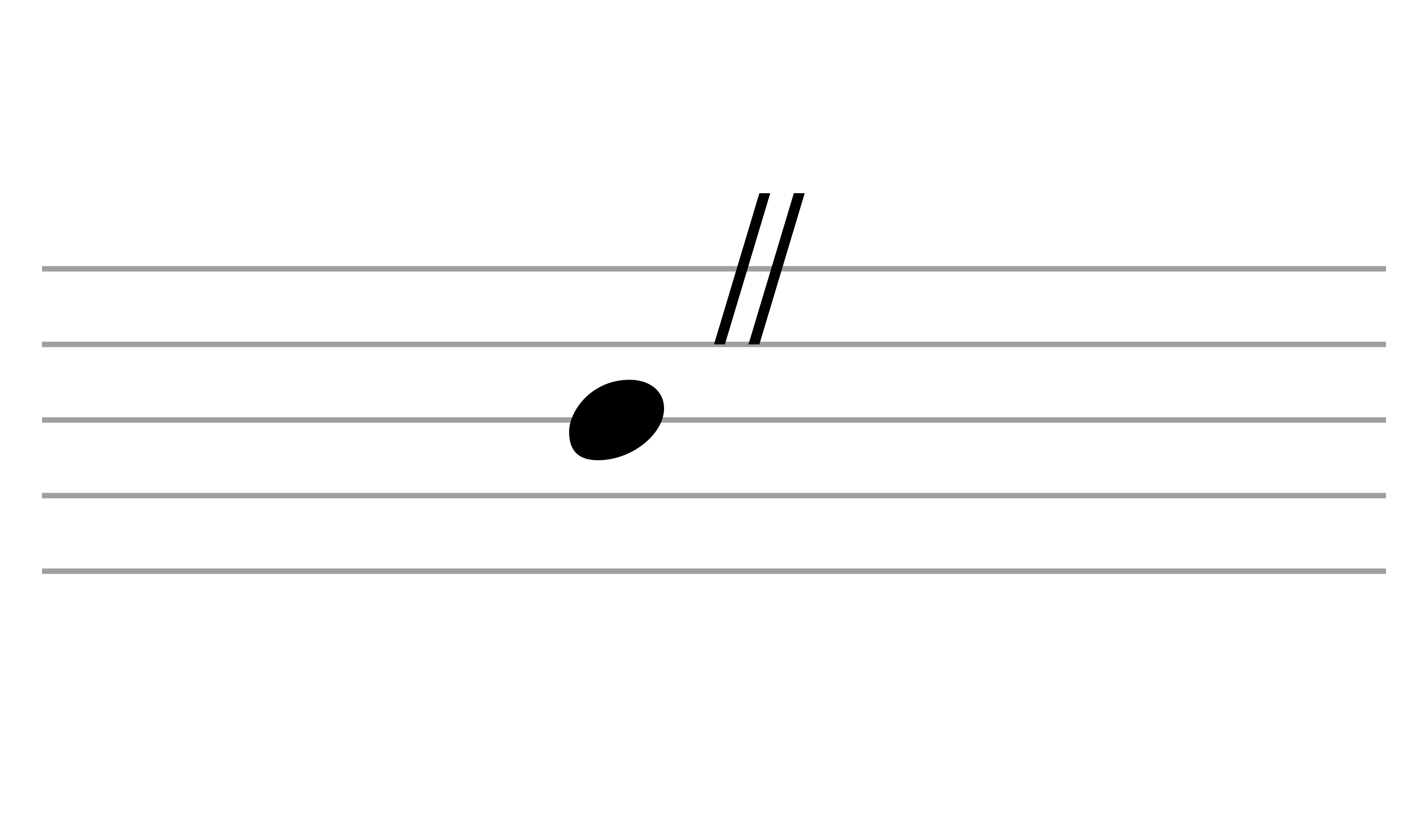
From Mort de Socrate (piano part) by Erik Satie, source measure 153.
Decorate a written pitch
Ornaments
Recognise the compact signs that add neighbouring notes, quick lead-ins, or a rolled arrival.
-
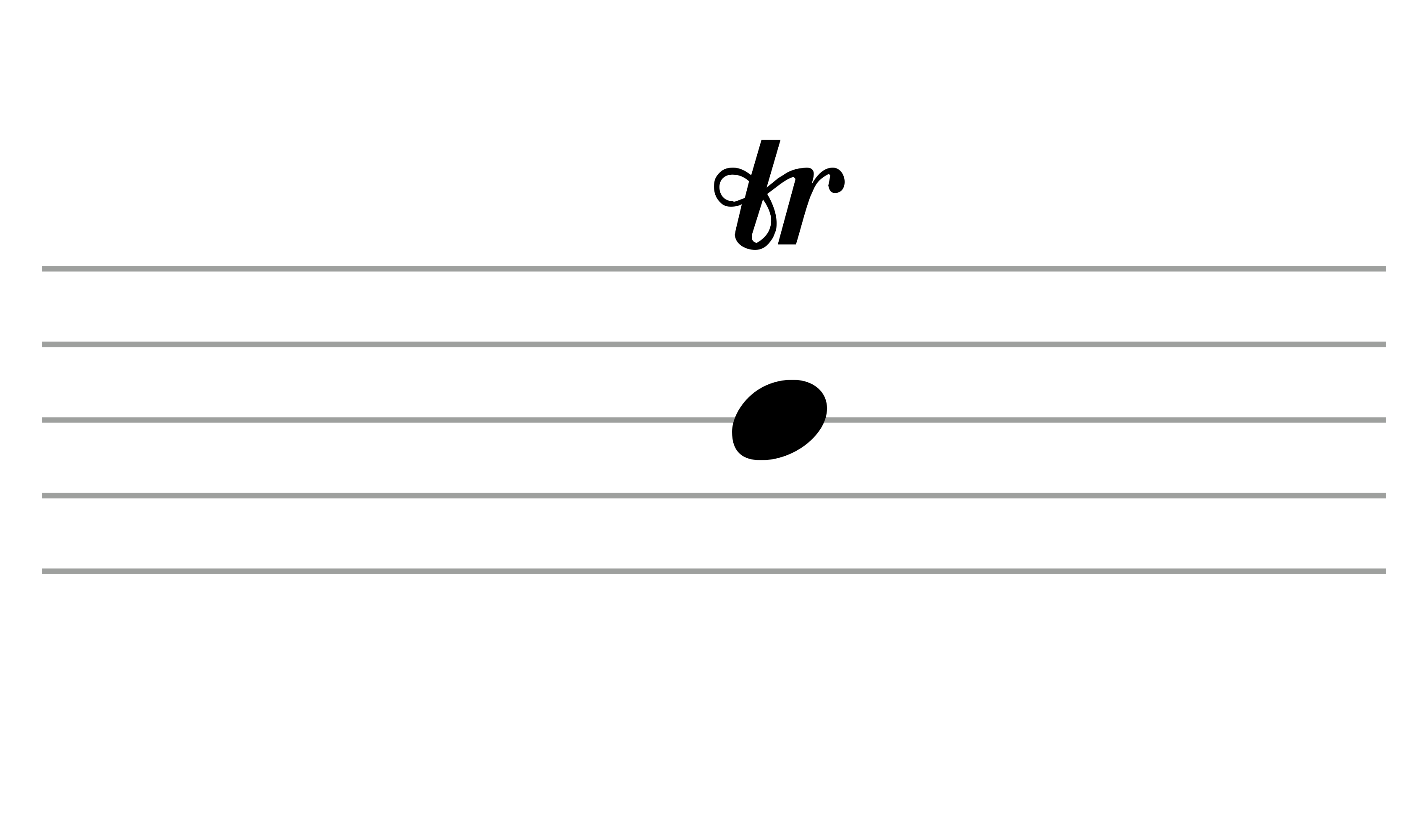
From Piano Sonata No. 16 in C Major, K. 545 — 1st Movement by Wolfgang Amadeus Mozart, source measure 4. -
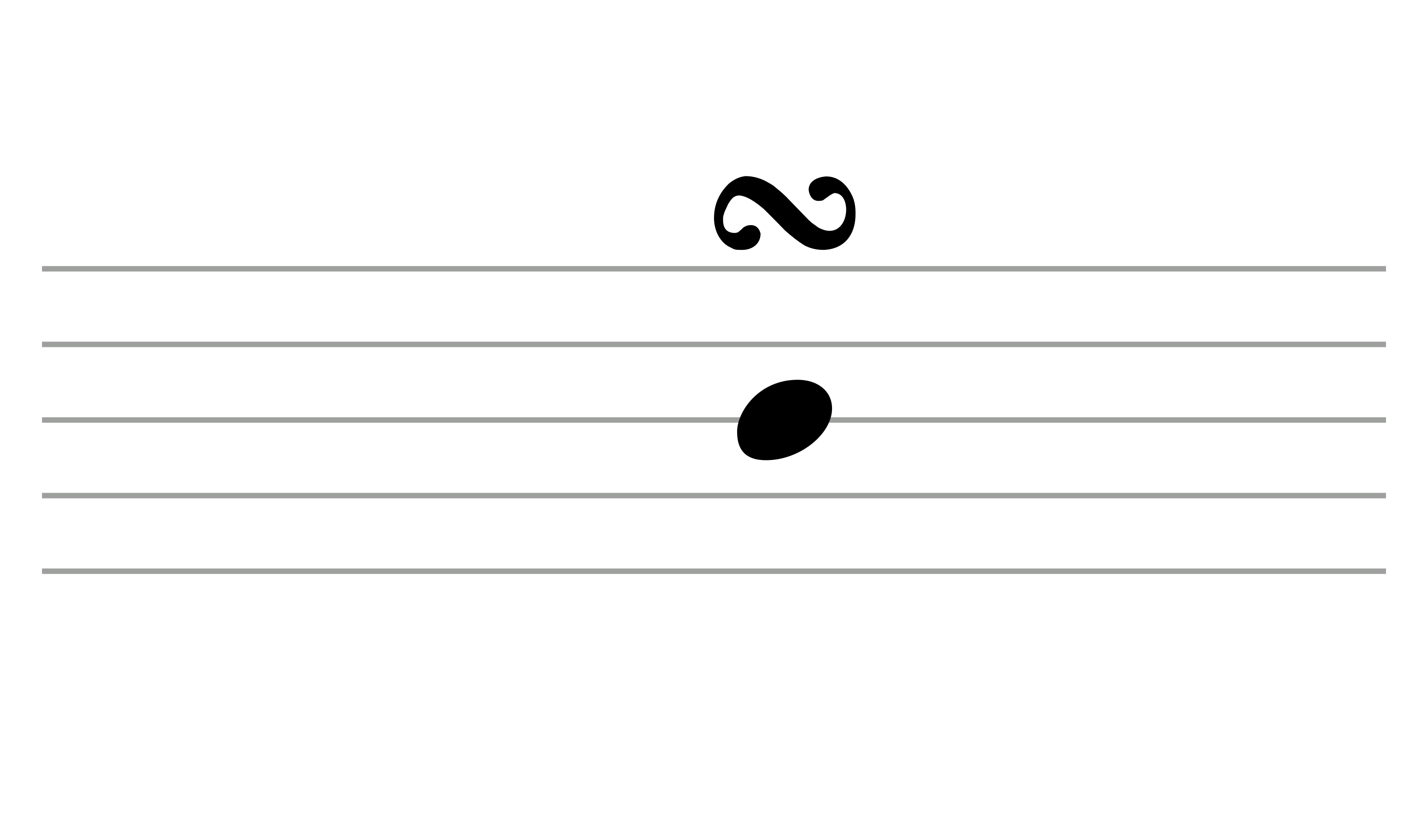
From Mayenlied, Op. 1 No. 4 (piano part) by Fanny Hensel, source measure 42. Turn and inverted turn
Circle the written pitch with a compact upper-and-lower-neighbour figure.
Open the live example -
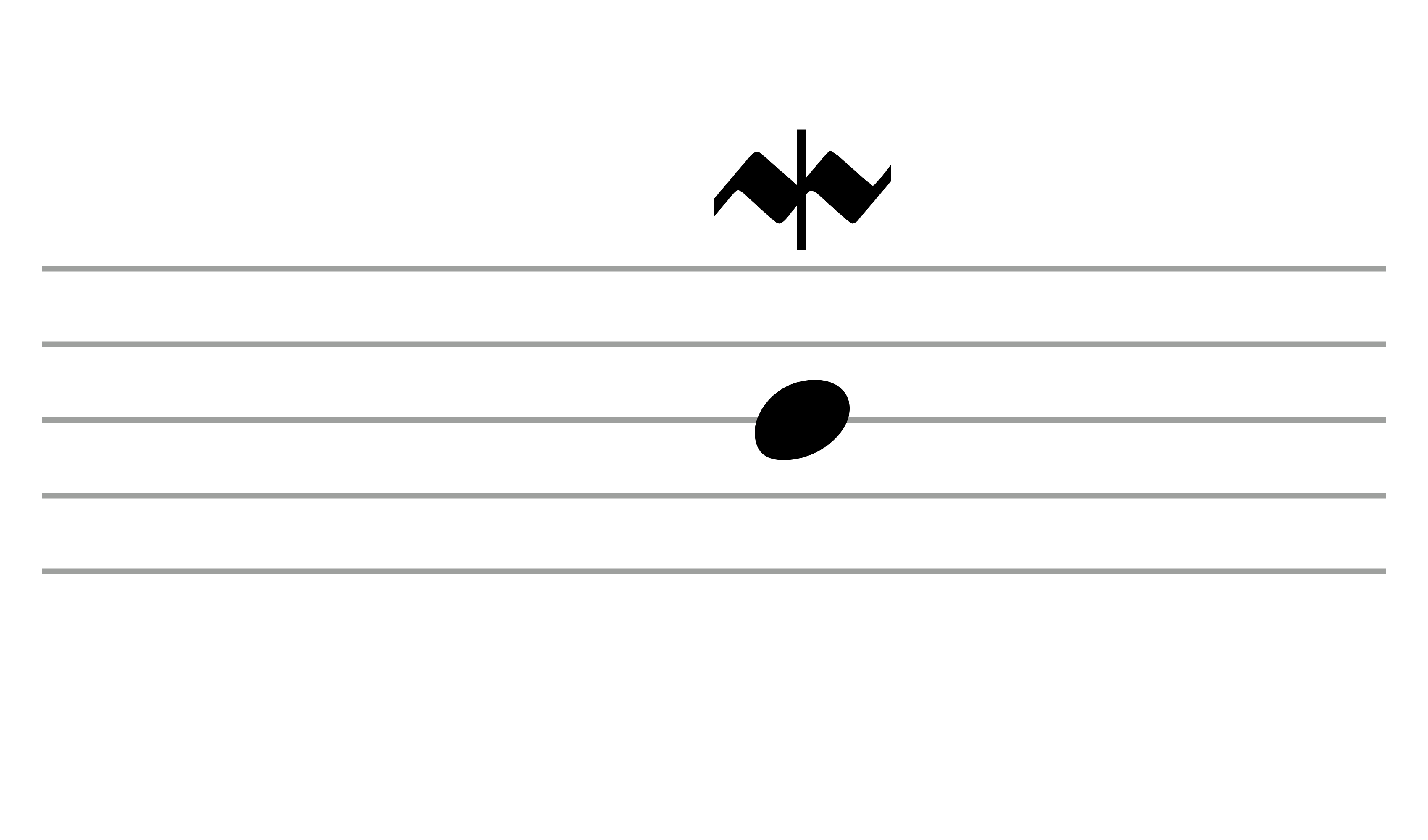
From Prelude No. 2 in C Minor, BWV 847 by J.S. Bach, source measure 34. Mordent and inverted mordent
Make one quick neighbour-note flick and return to the written pitch.
Open the live example -
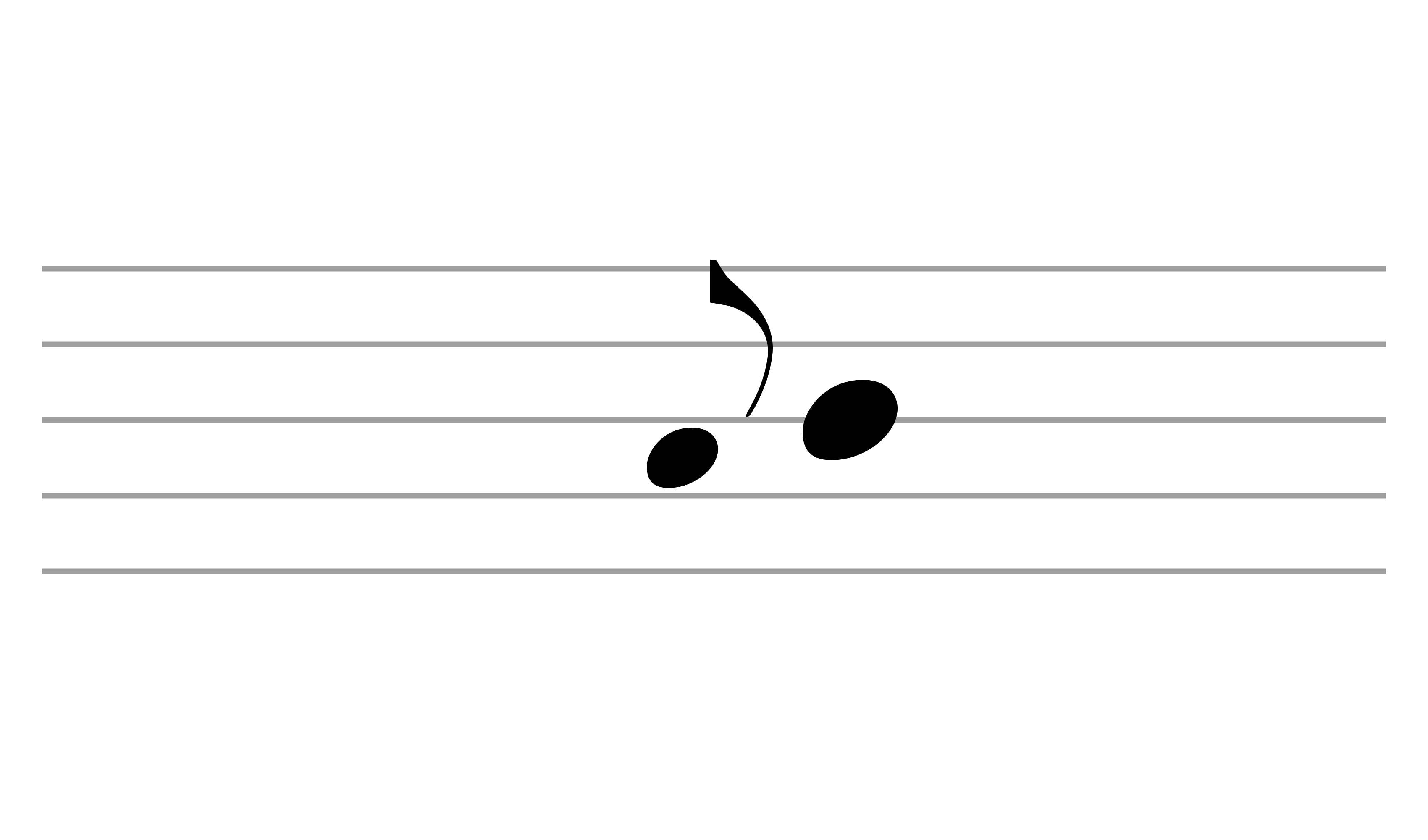
From Air on the G String by J.S. Bach, source measure 3. -
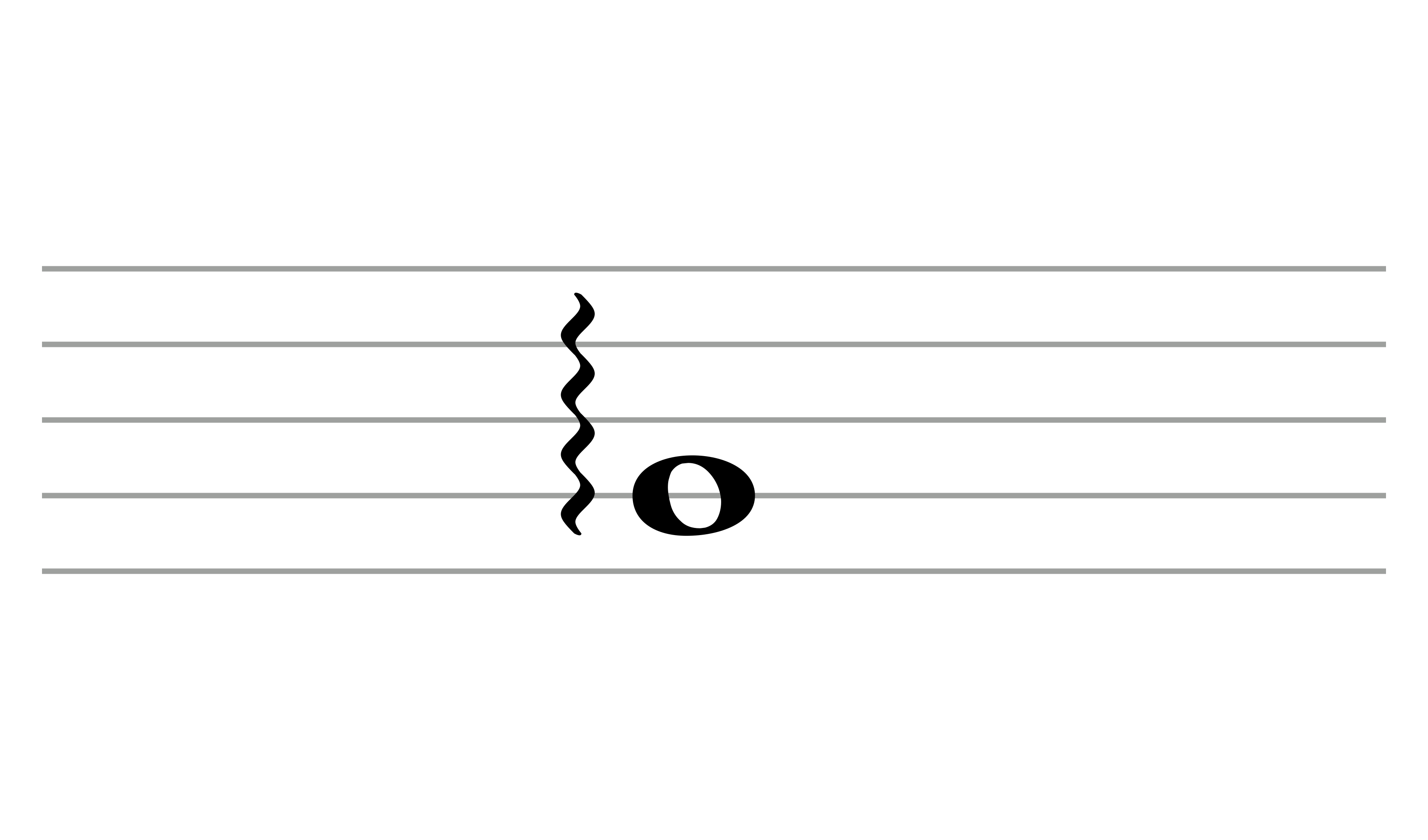
From Prelude No. 2 in C Minor, BWV 847 by J.S. Bach, source measure 34.
Establish pitch, key, and pulse
Reading the staff
Start with the three signs that tell every reader where notes live, which pitches are altered, and how beats are grouped.
-
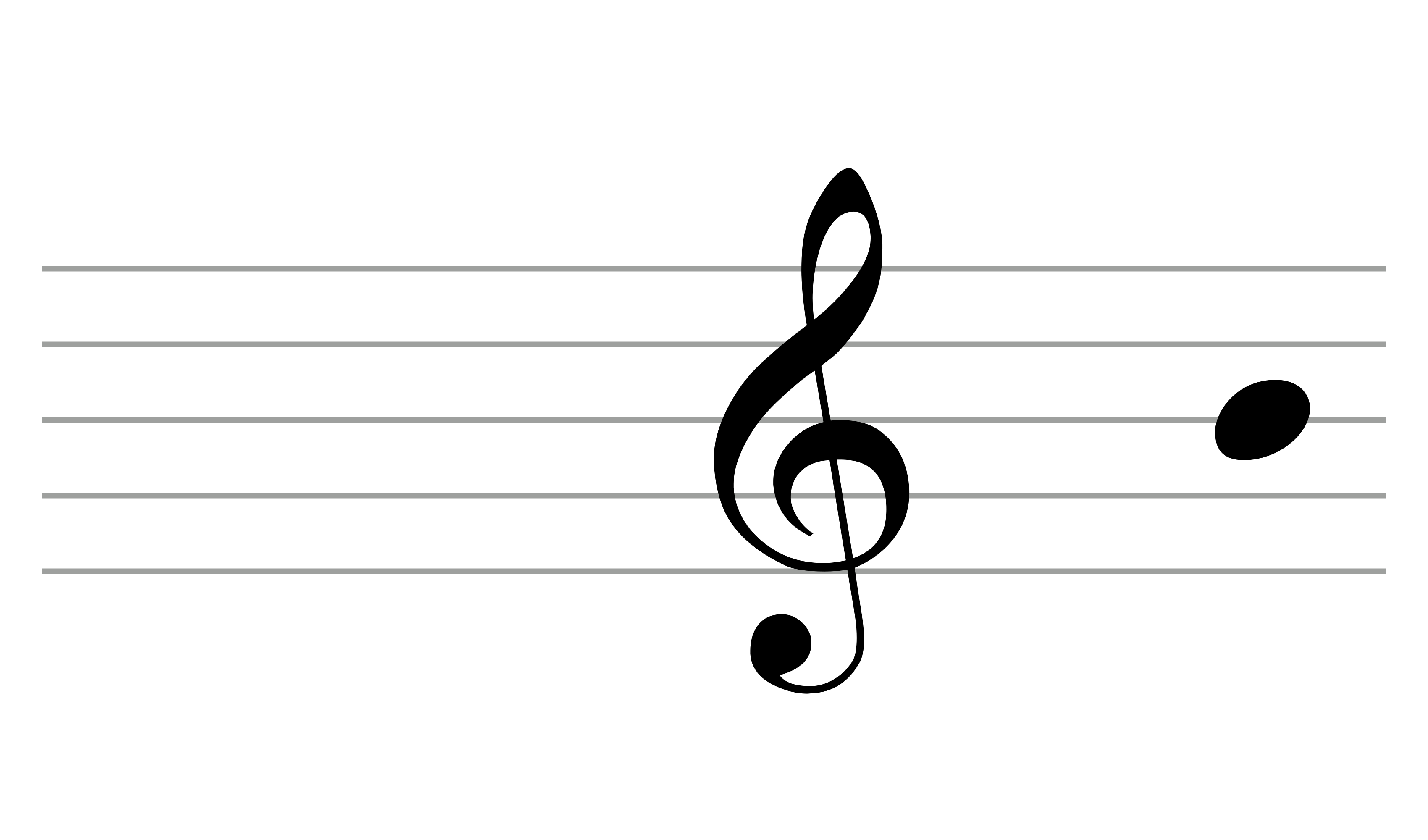
From Minuet in G Major by J.S. Bach (attrib.; BWV Anh. 114, likely Christian Petzold), source measure 1. -
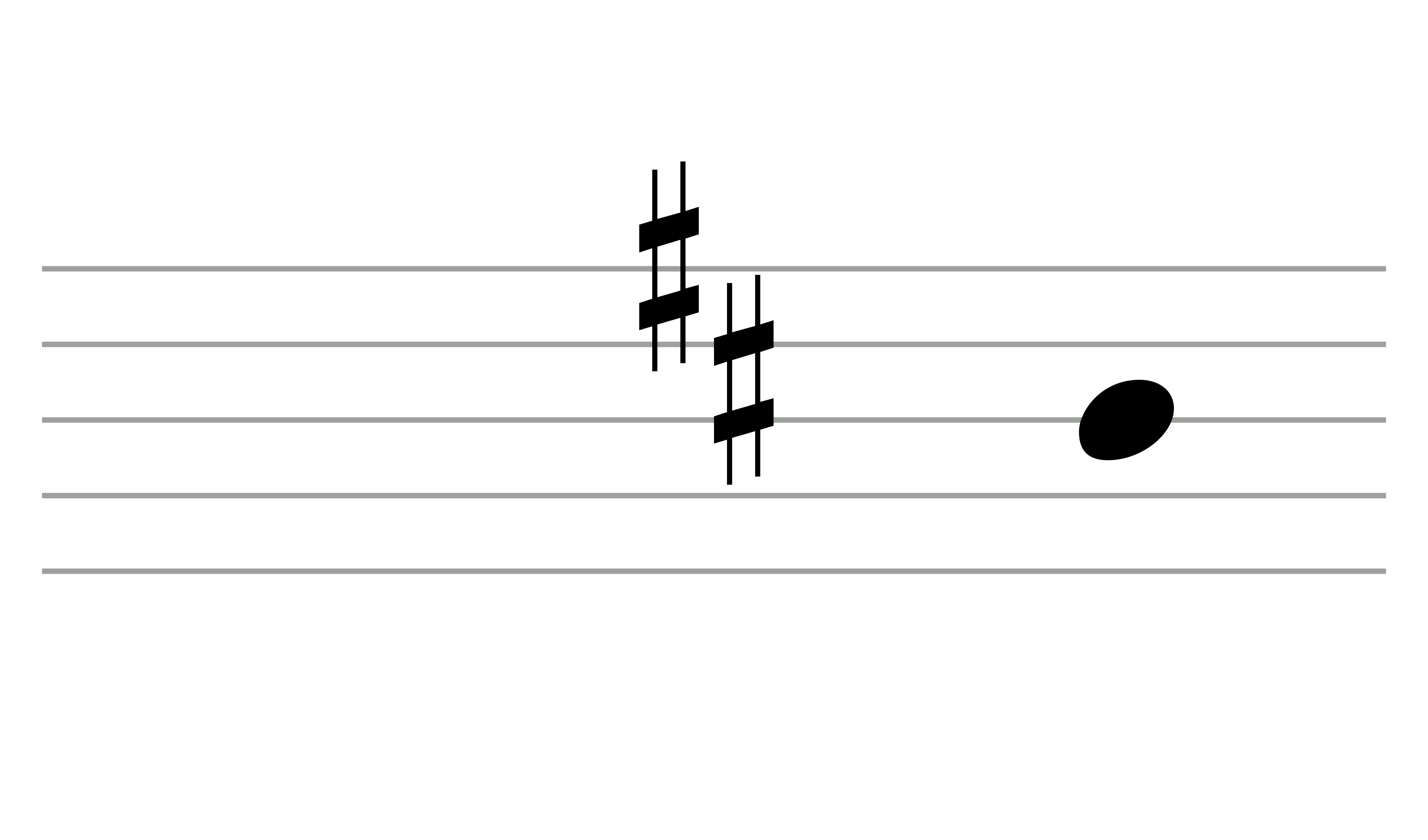
From Arabesque No. 1 in E Major by Claude Debussy, source measure 1. Key signatures
A key signature sets the sharps or flats that normally apply throughout the music.
Open the live example -
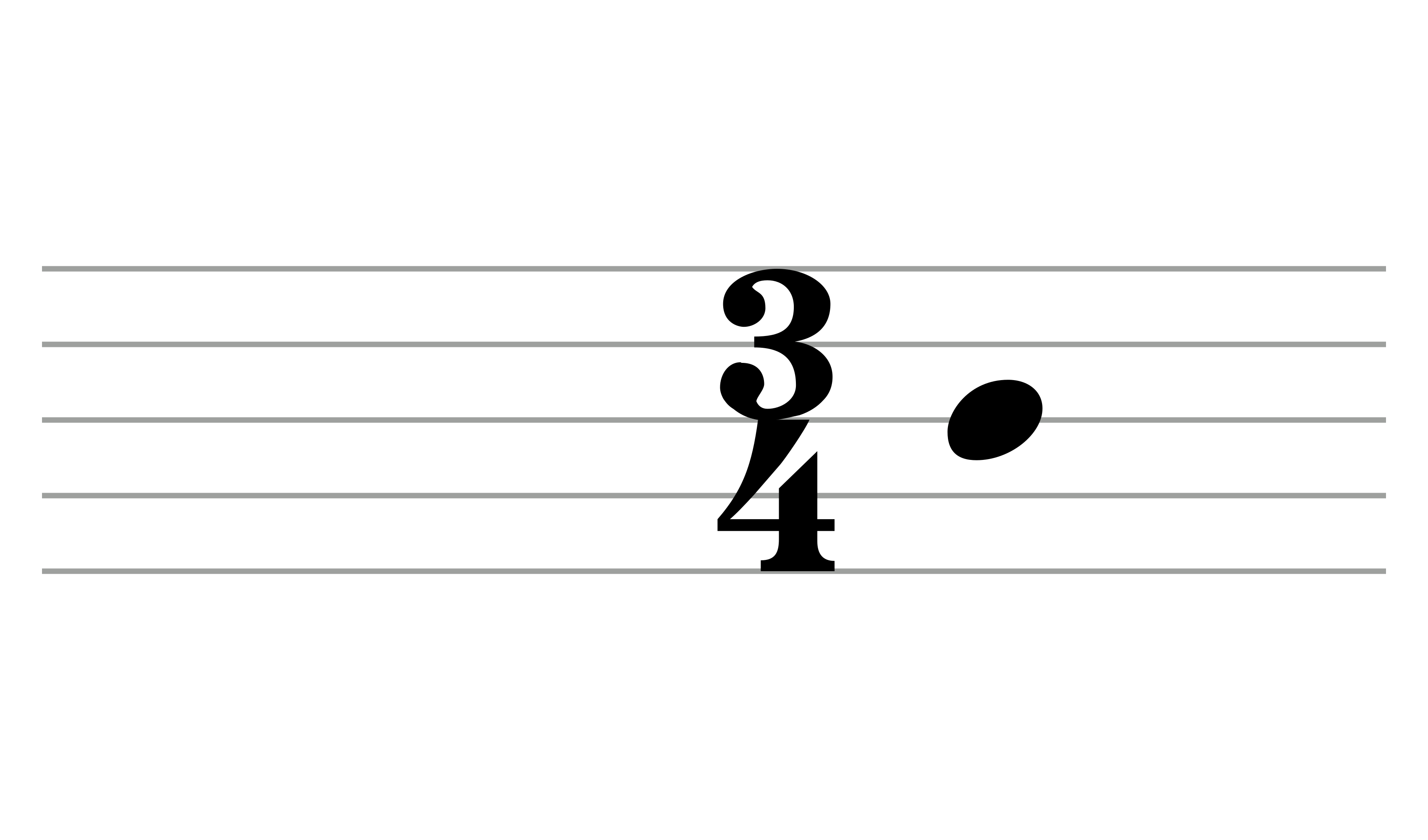
From Minuet in G Major by J.S. Bach (attrib.; BWV Anh. 114, likely Christian Petzold), source measure 1. Time signatures
A time signature shows how beats are grouped and which note value represents the written unit.
Open the live example
Hold sound and navigate the page
Form and sustain
Learn the directions that extend resonance, suspend time, and send the performer back through repeated sections.
-
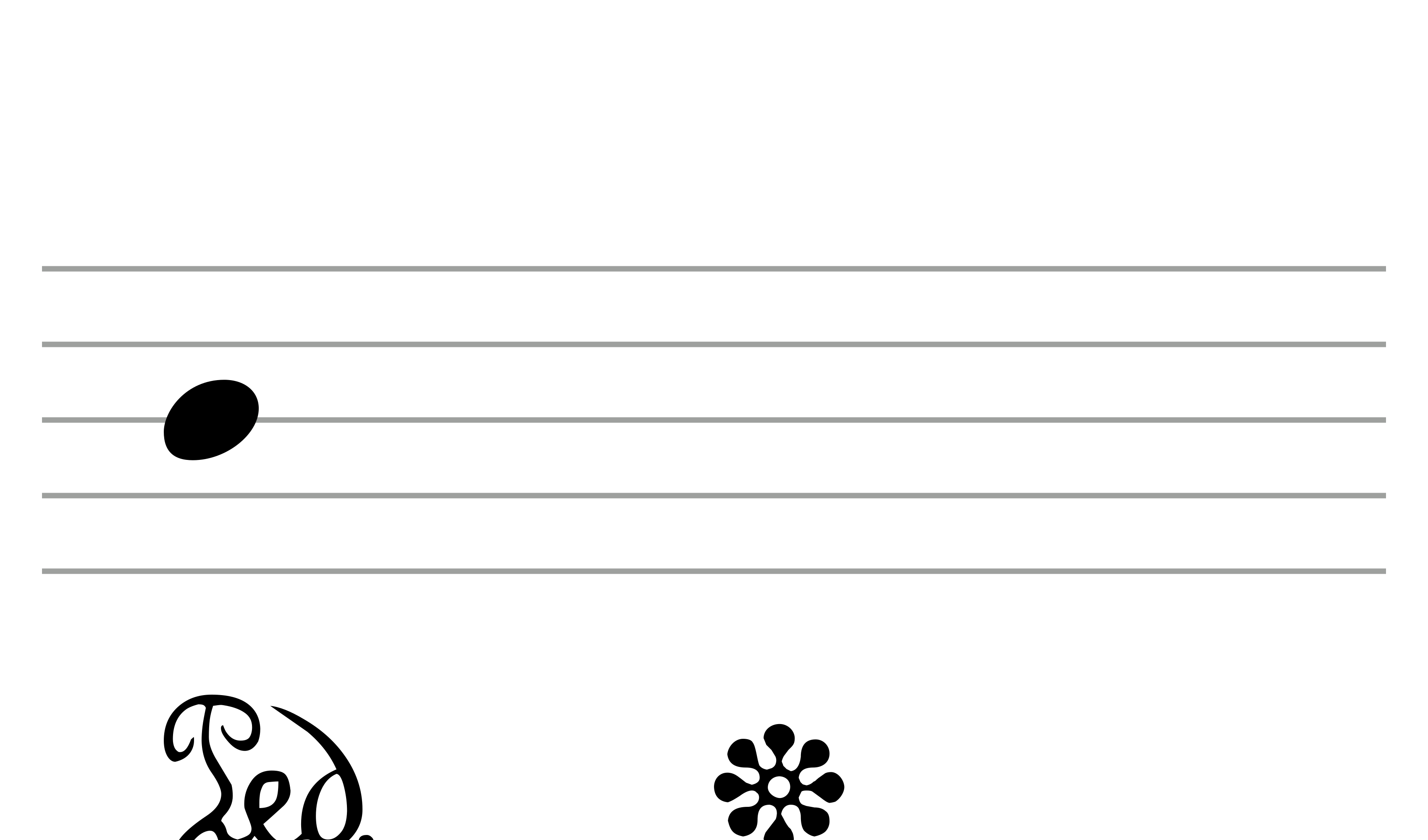
From Ah, Love, but a Day!, Op. 44 No. 2 (piano part) by Amy Beach, source measure 5. Pedal
Use the damper pedal to sustain and connect resonance beyond the fingers.
Open the live example -
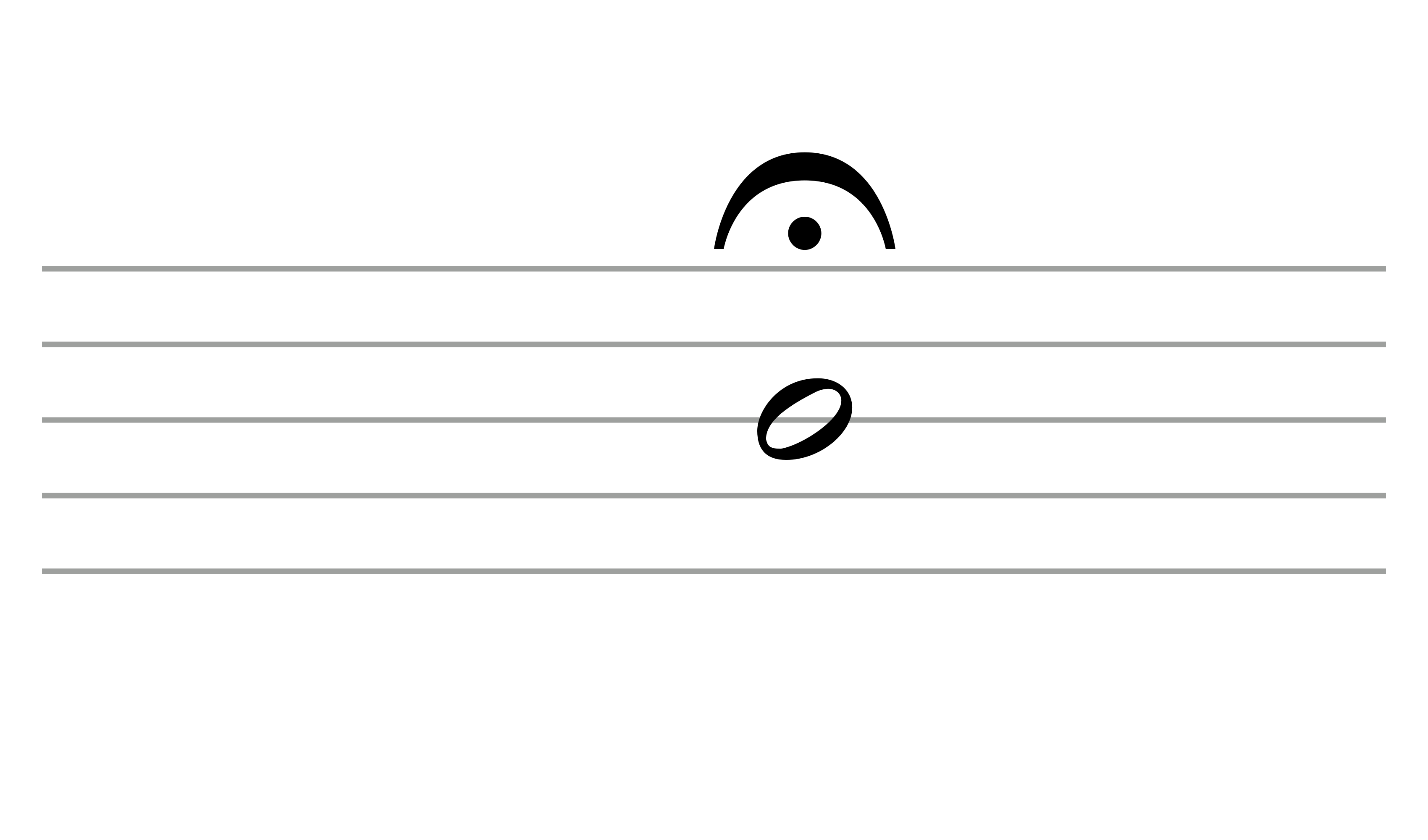
From Prelude No. 2 in C Minor, BWV 847 by J.S. Bach, source measure 38. Fermata
Hold the note or silence beyond its written value at a musically judged length.
Open the live example -
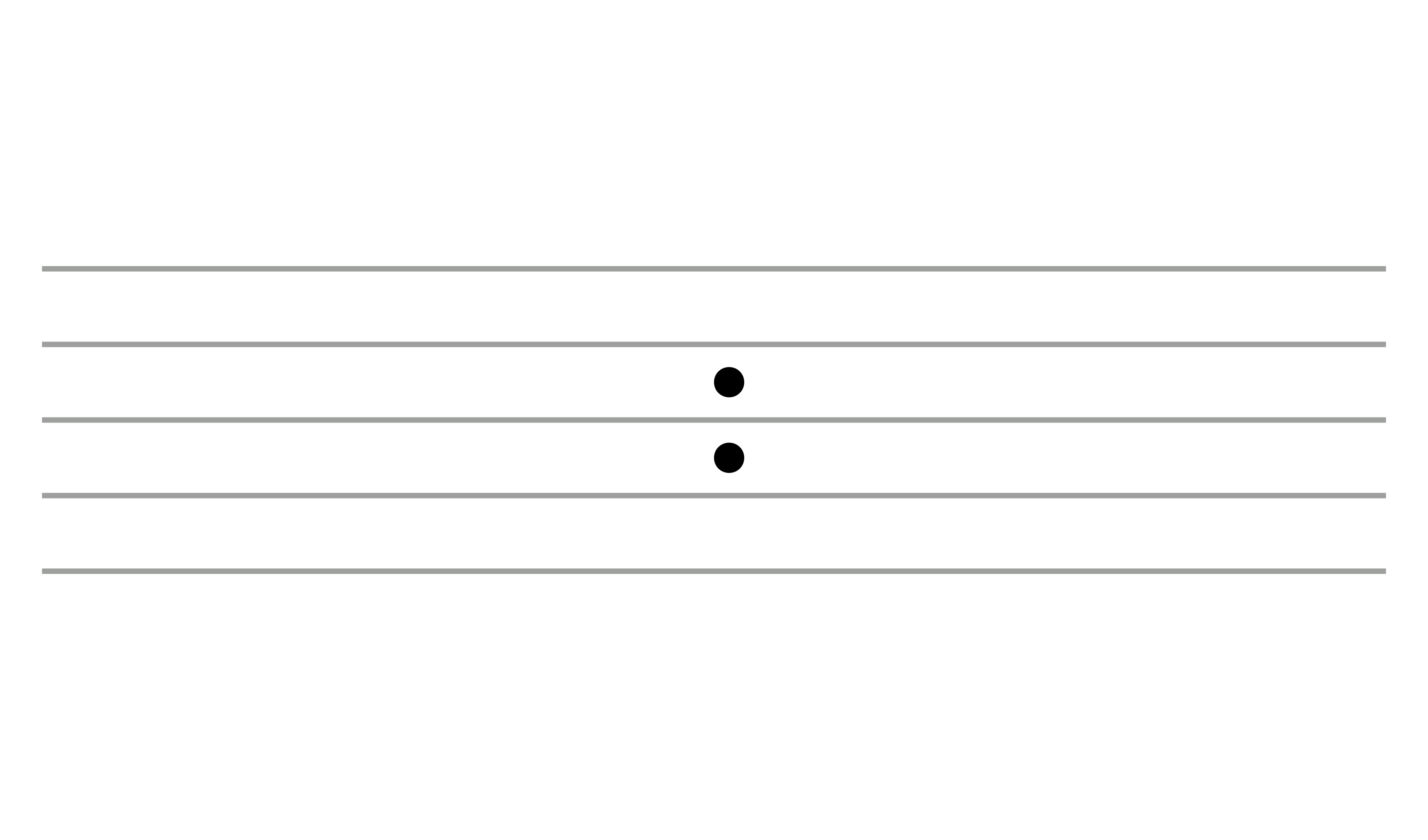
From Minuet in G Major by J.S. Bach (attrib.; BWV Anh. 114, likely Christian Petzold), source measure 16. Repeat signs
Return to the matching repeat boundary and play the enclosed section again.
Open the live example -
From Air on the G String by J.S. Bach, source measure 12. Volta endings
Use different ending measures on successive passes through a repeated section.
Open the live example