

← Notation reference
Notation category
Dynamics
Read pp through ff as members of one loudness family, then follow hairpins as sound grows or recedes.
-
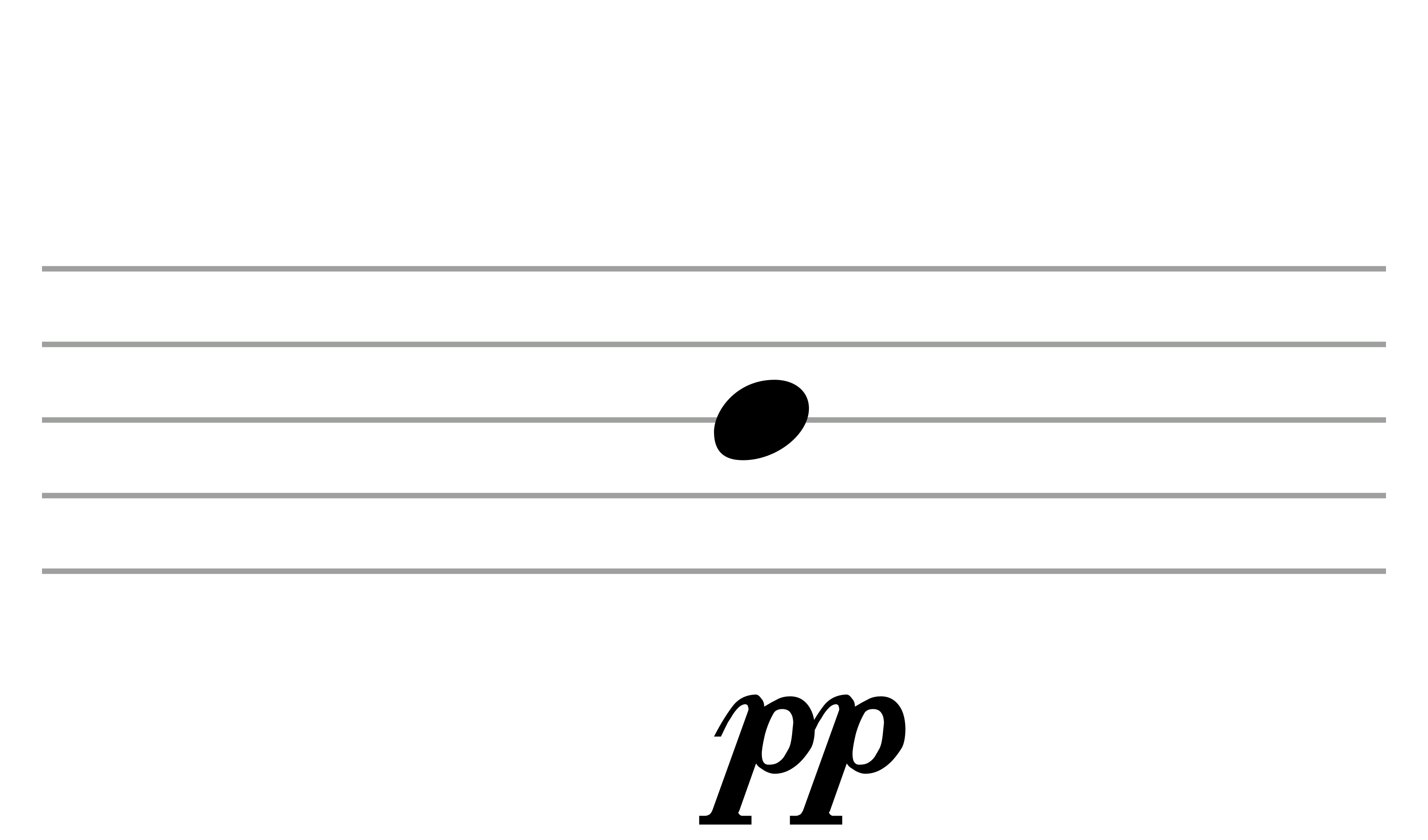
From Ah, Love, but a Day!, Op. 44 No. 2 (piano part) by Amy Beach, source measure 1. -
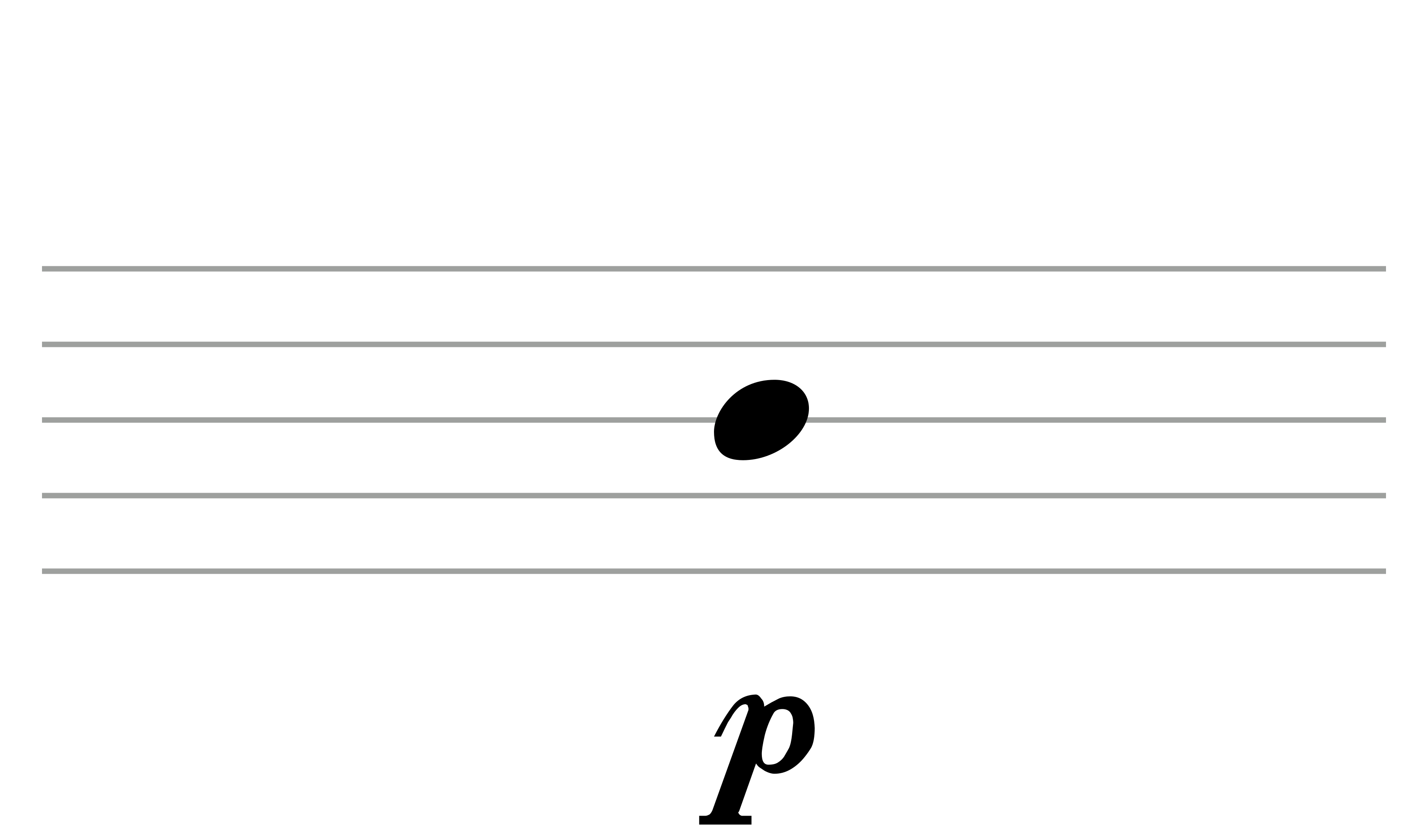
From Minuet in G Major by J.S. Bach (attrib.; BWV Anh. 114, likely Christian Petzold), source measure 25. -
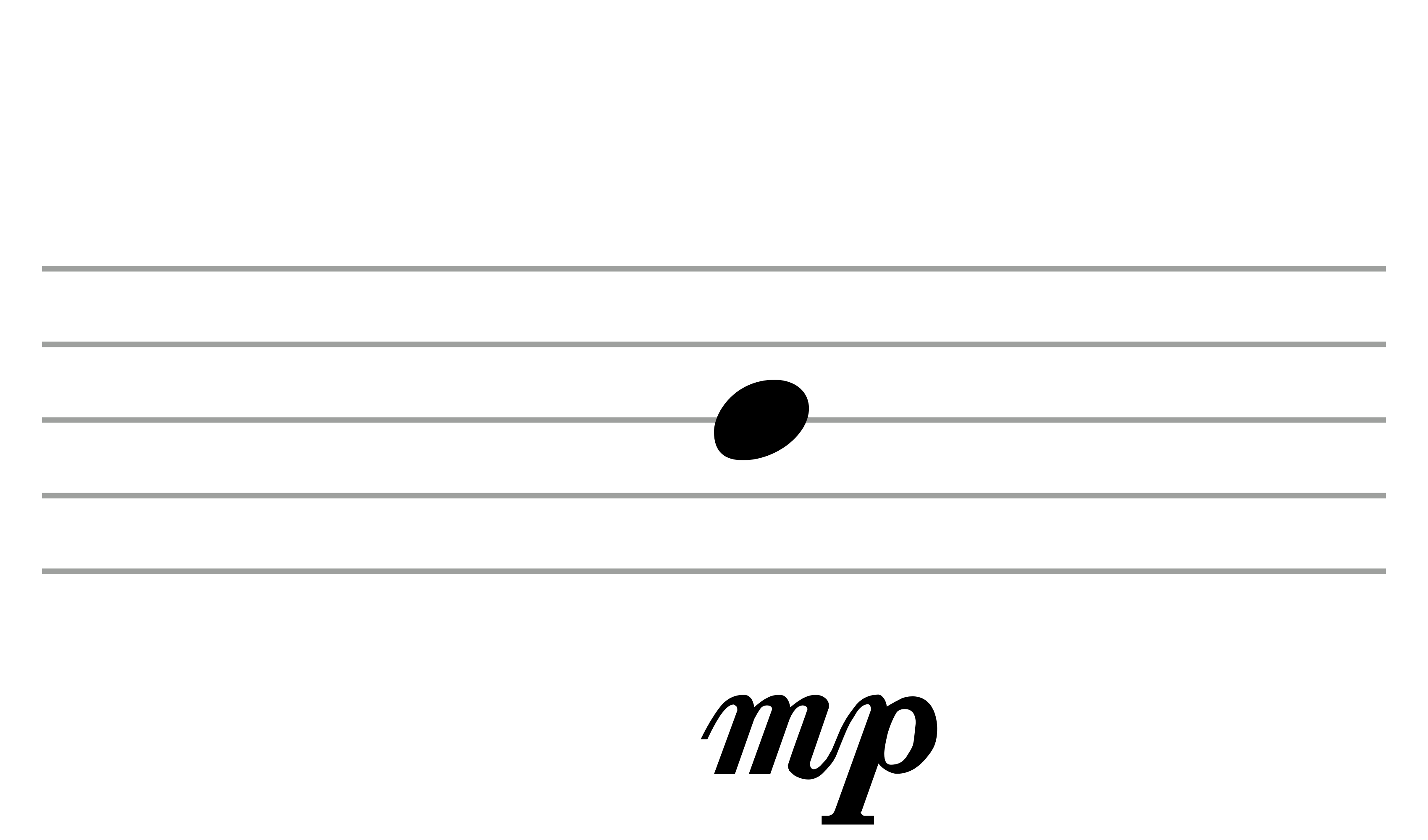
From Moonlight Sonata, Op. 27 No. 2 — 1st Movement by Ludwig van Beethoven, source measure 27. -
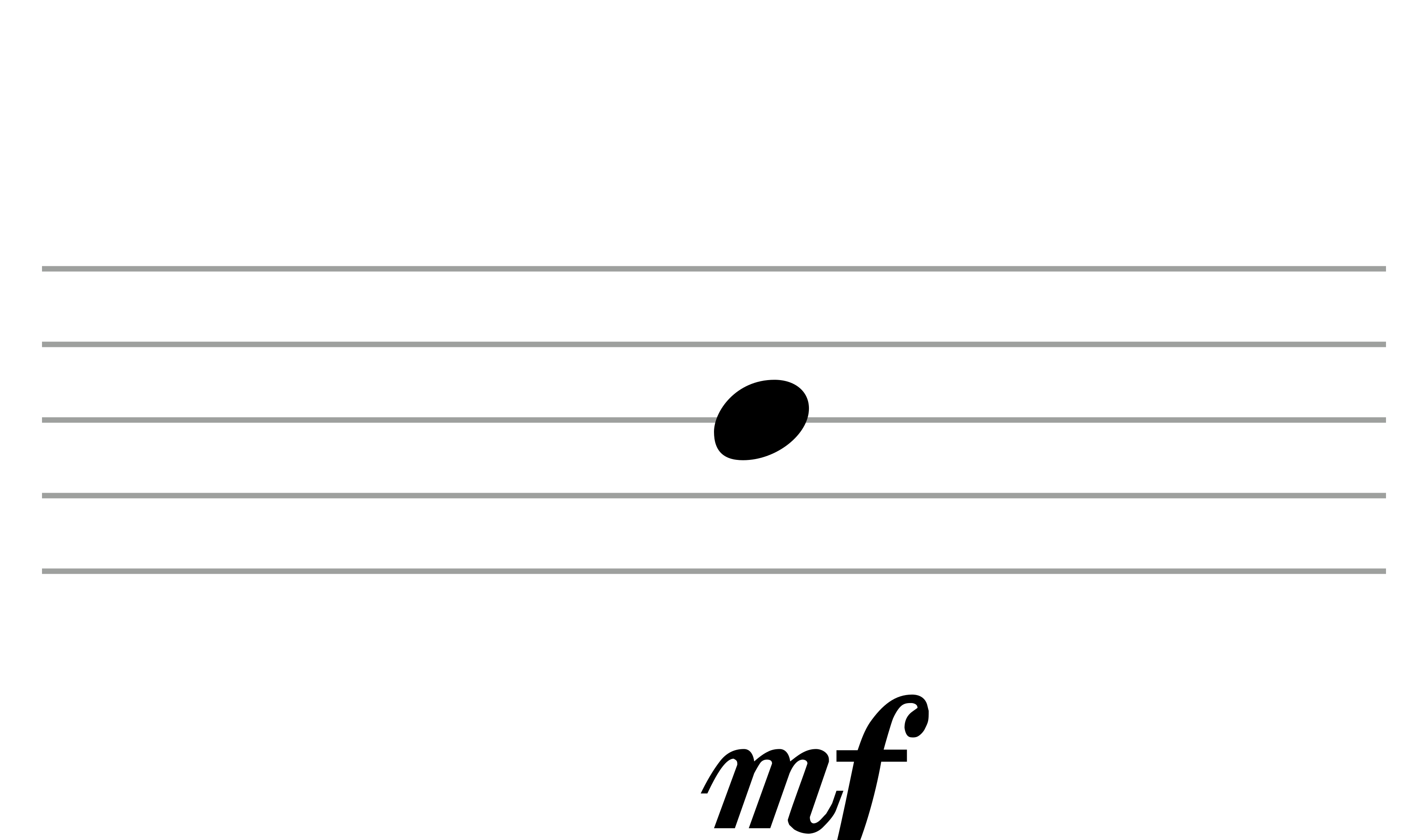
From Minuet in G Major by J.S. Bach (attrib.; BWV Anh. 114, likely Christian Petzold), source measure 1. mf
Mezzo forte (mf)
Play moderately loudly: present and full without reaching forte.
Open the live example -
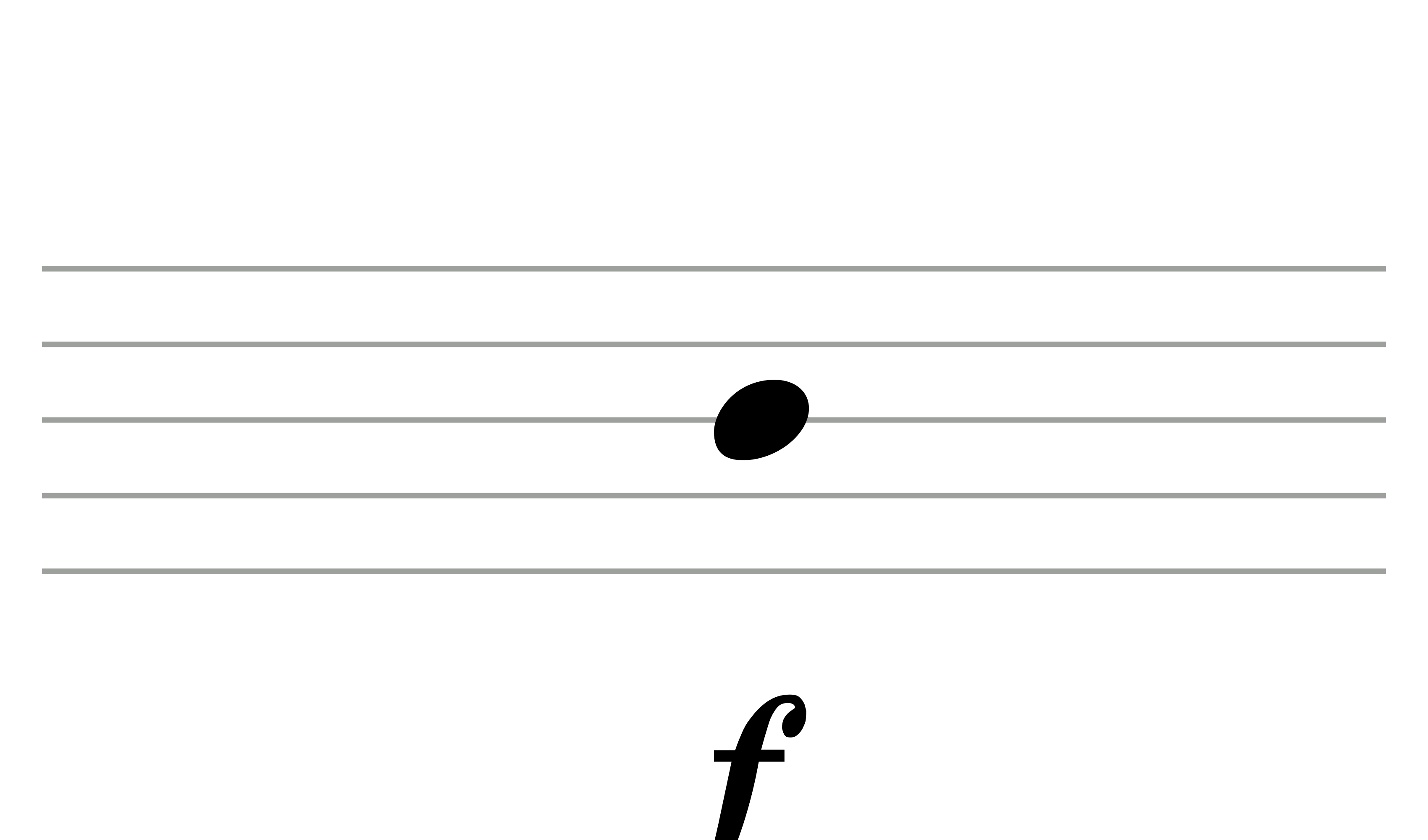
From Ah, Love, but a Day!, Op. 44 No. 2 (piano part) by Amy Beach, source measure 15. -
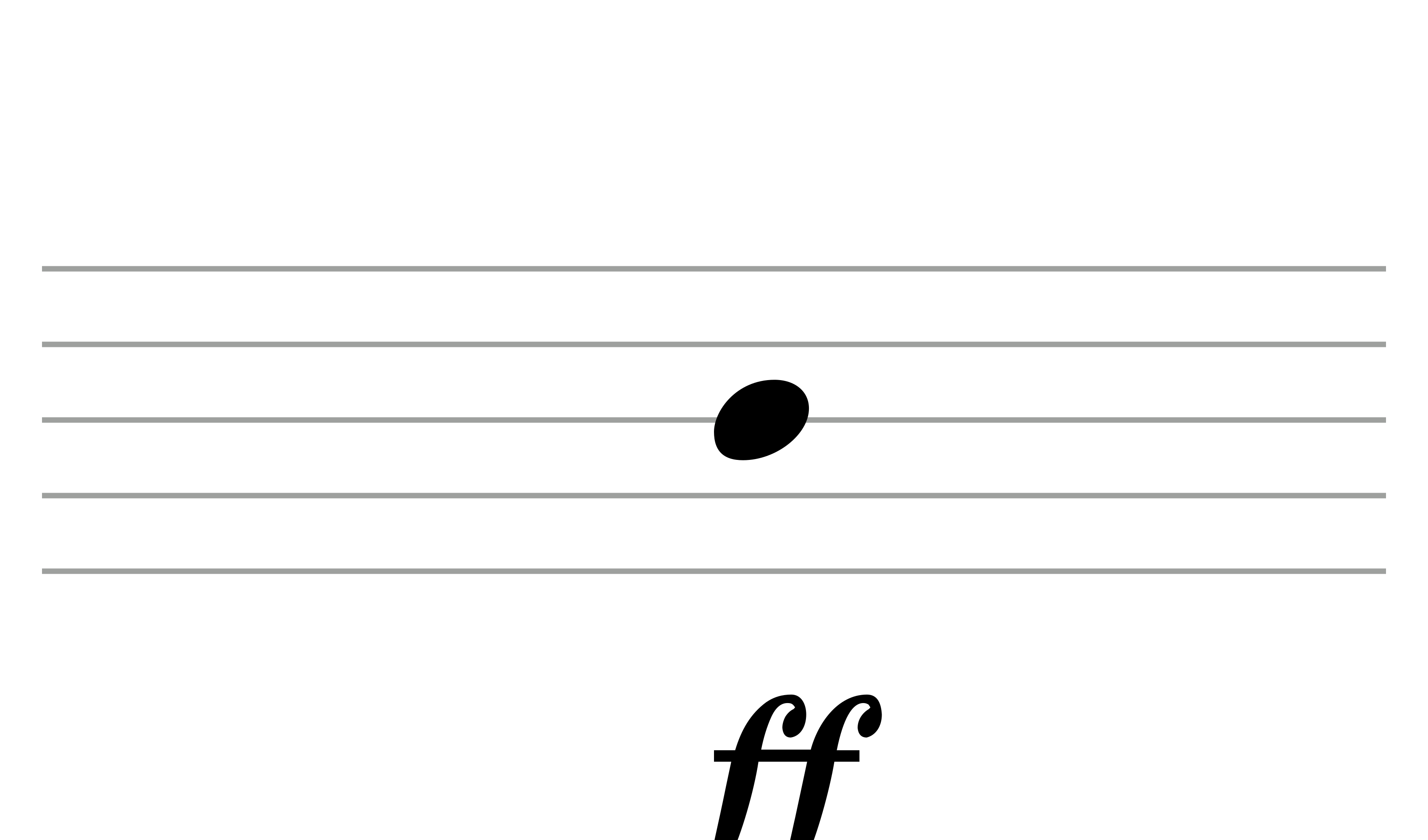
From Toccata and Fugue in D Minor, BWV 565 (Piano Solo) by J.S. Bach, source measure 2. ff
Fortissimo (ff)
Play very loudly with breadth, clarity, and reserve against distortion.
Open the live example -
From Air on the G String by J.S. Bach, source measure 6. -
From Air on the G String by J.S. Bach, source measure 7.