

← Notation reference
Notation category
Ornaments
Recognise the compact signs that add neighbouring notes, quick lead-ins, or a rolled arrival.
-
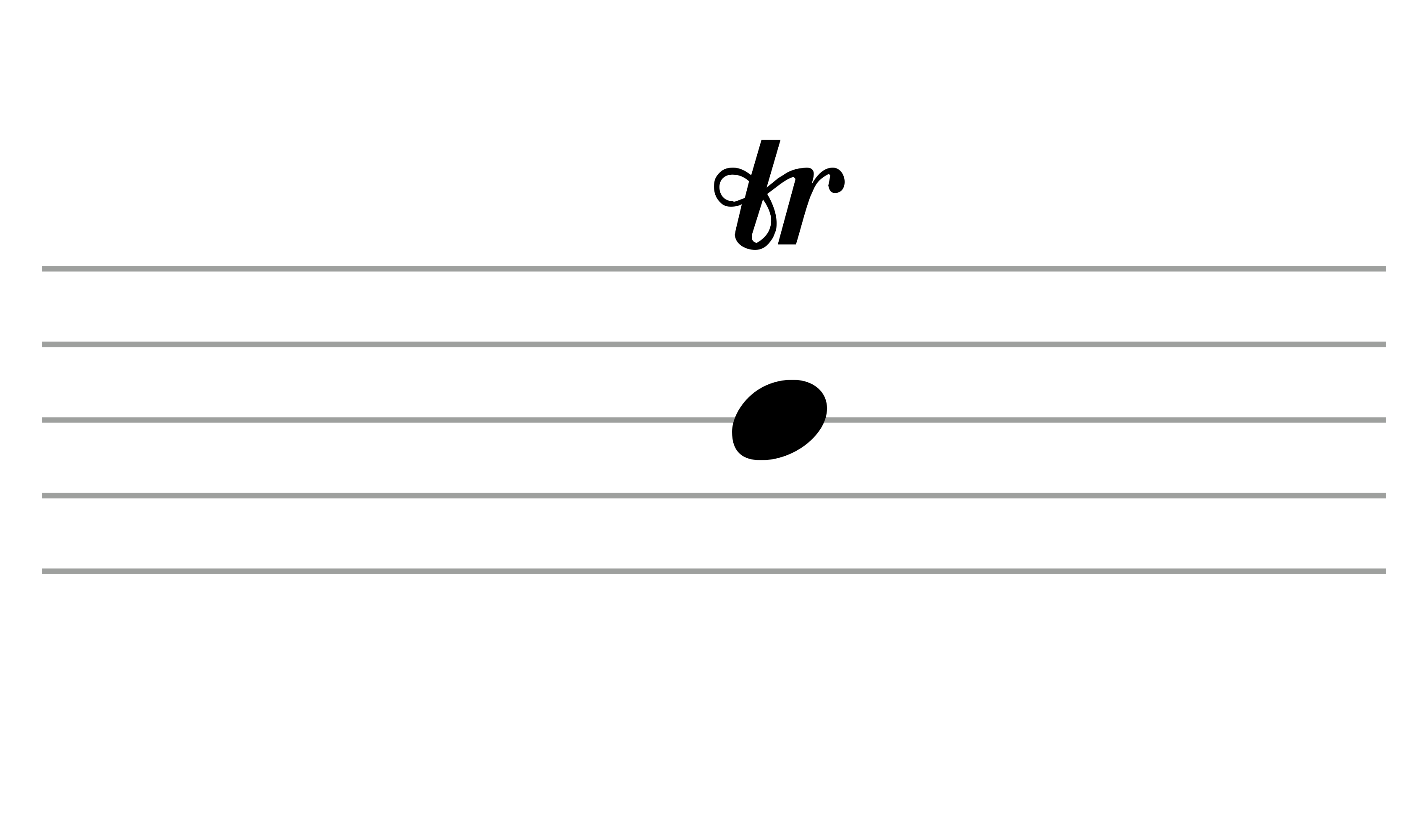
From Piano Sonata No. 16 in C Major, K. 545 — 1st Movement by Wolfgang Amadeus Mozart, source measure 4. tr, often followed by a wavy line
Trill
Alternate the written pitch rapidly with its upper neighbour.
Open the live example -
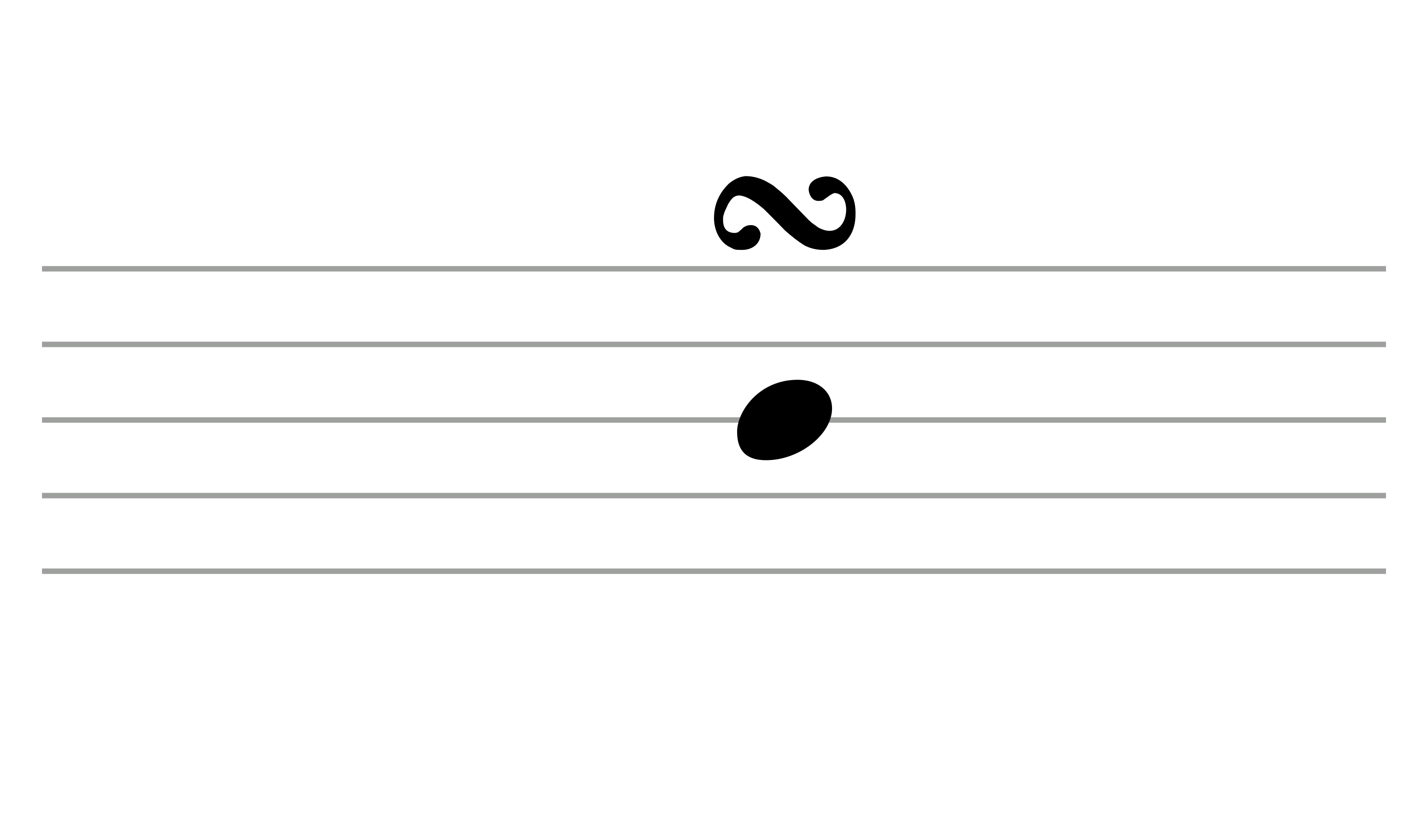
From Mayenlied, Op. 1 No. 4 (piano part) by Fanny Hensel, source measure 42. a sideways S for a turn; a reversed form for an inverted turn
Turn and inverted turn
Circle the written pitch with a compact upper-and-lower-neighbour figure.
Open the live example -
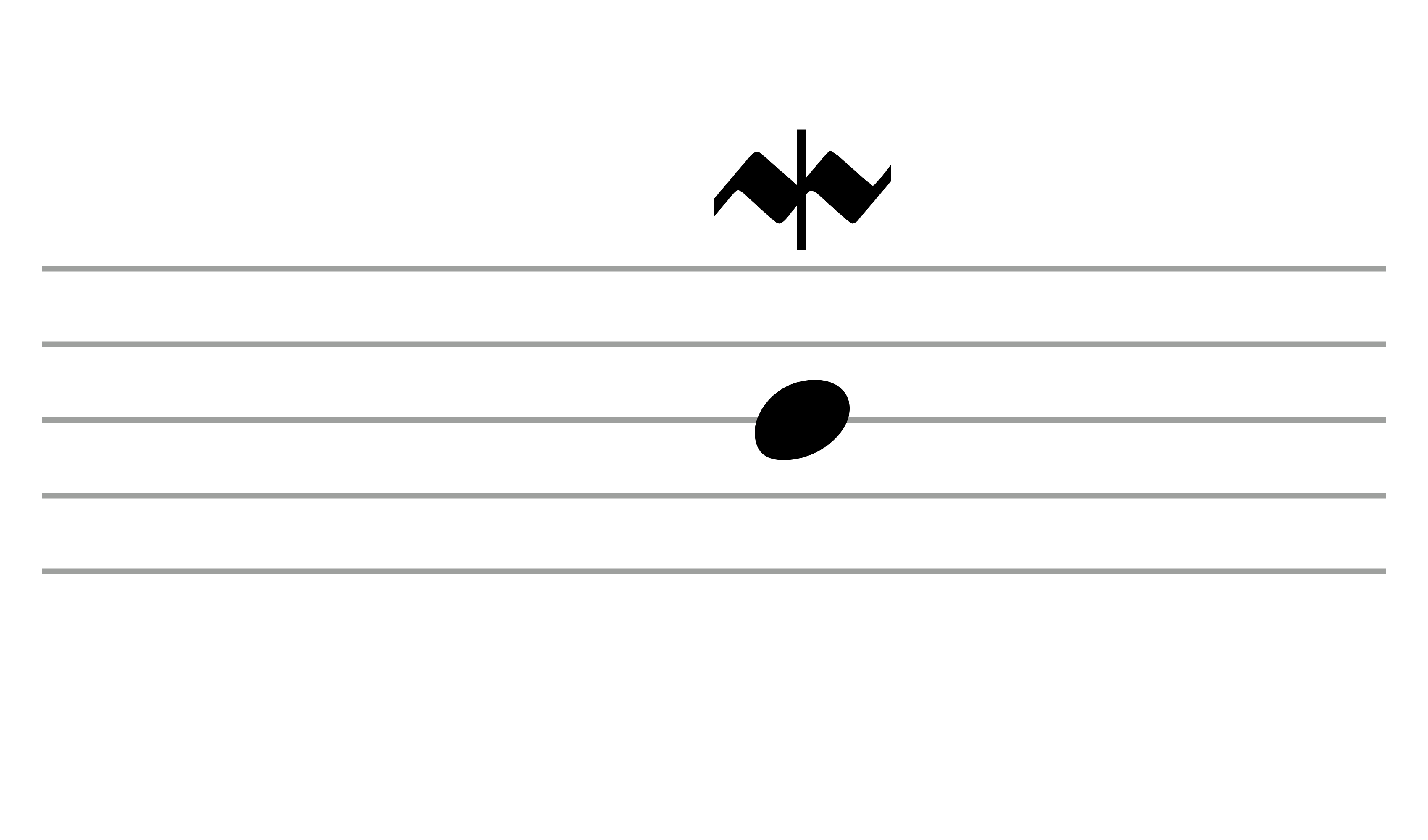
From Prelude No. 2 in C Minor, BWV 847 by J.S. Bach, source measure 34. a short zigzag, sometimes crossed by a vertical stroke
Mordent and inverted mordent
Make one quick neighbour-note flick and return to the written pitch.
Open the live example -
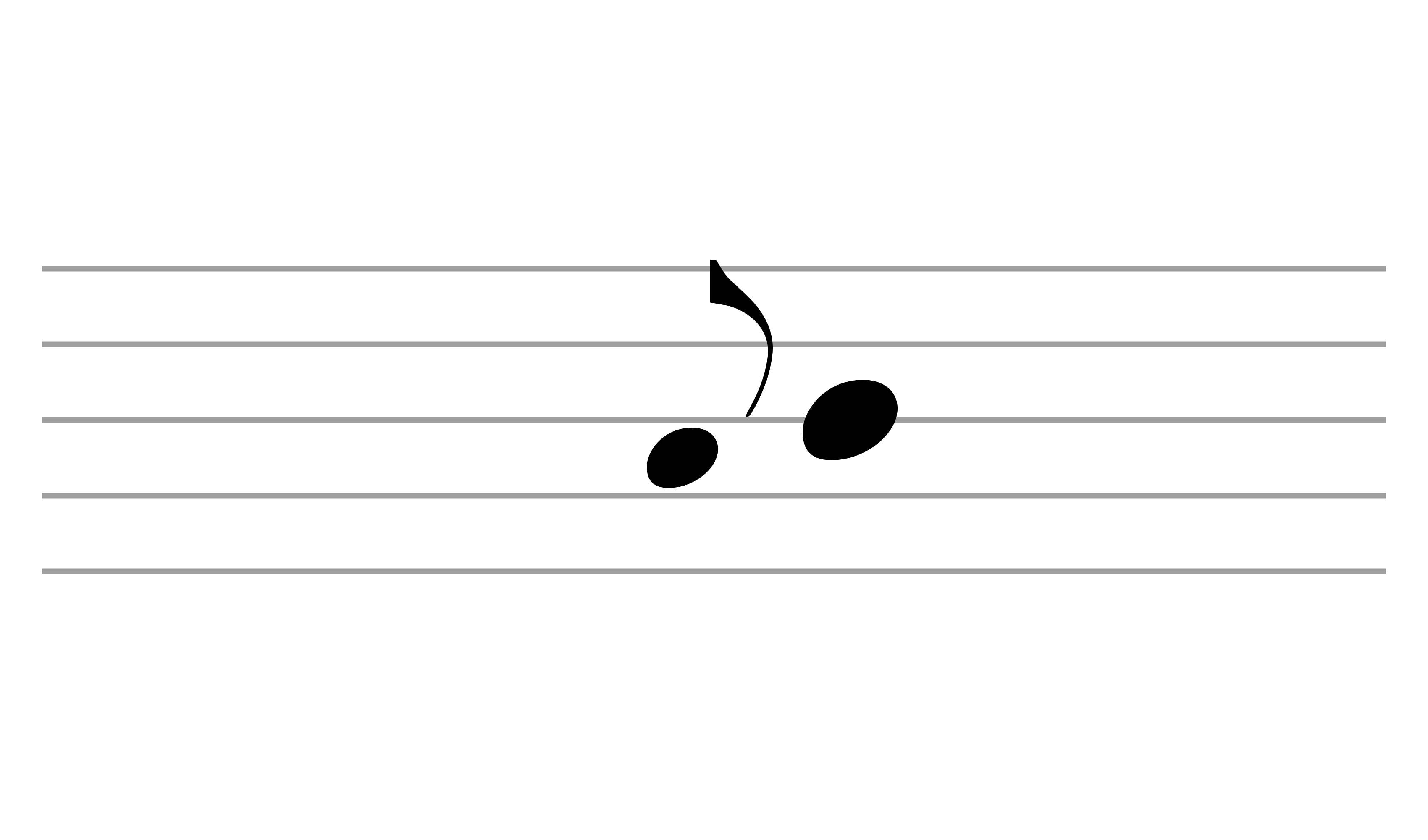
From Air on the G String by J.S. Bach, source measure 3. small cue-sized notes, sometimes crossed by a slash
Grace notes
Add a quick ornamental lead-in around the principal written note.
Open the live example -
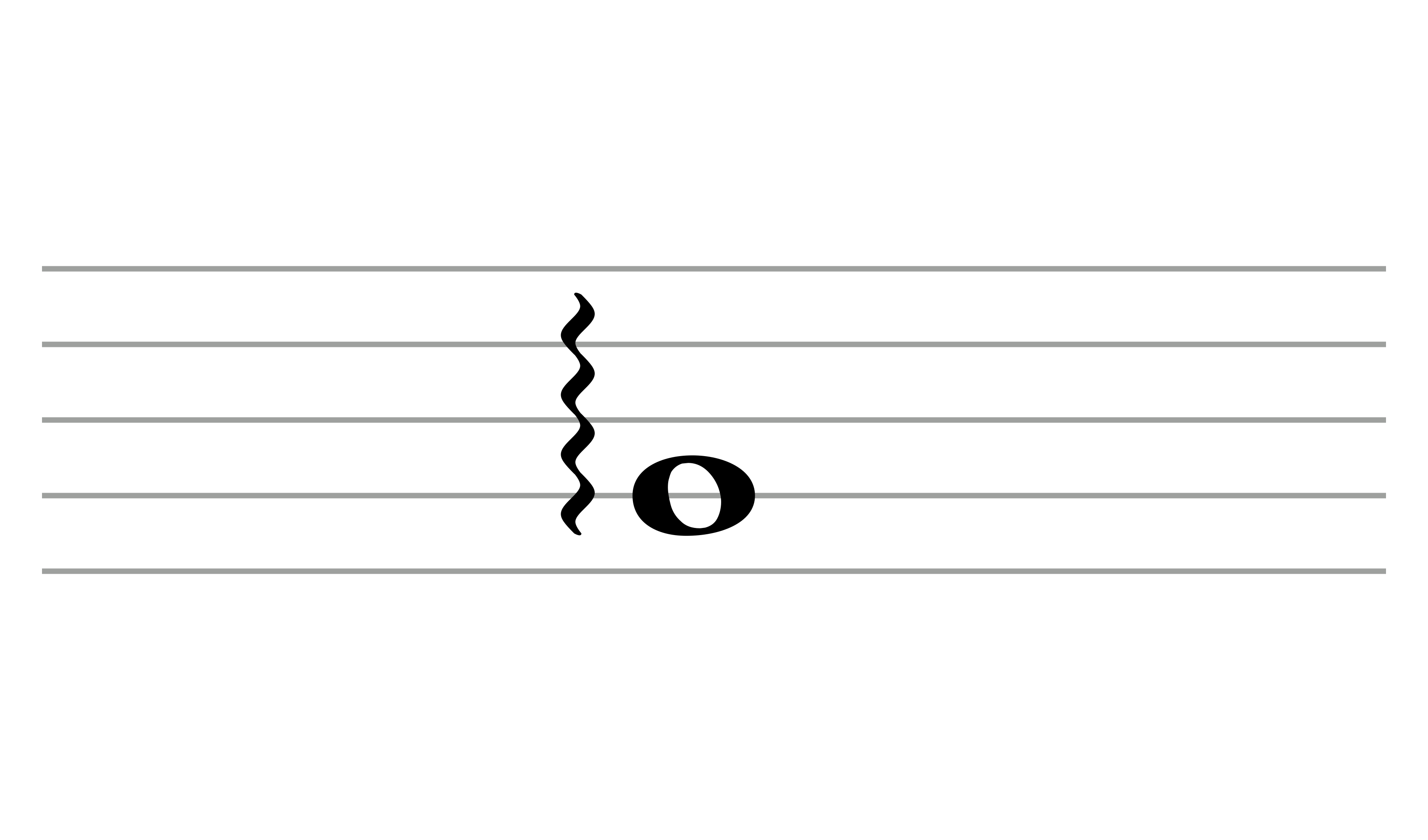
From Prelude No. 2 in C Minor, BWV 847 by J.S. Bach, source measure 34. a vertical wavy line beside a chord
Arpeggio
Roll a chord so its notes sound in sequence rather than all at once.
Open the live example