

Notation category
Articulation and phrasing
Compare marks that change a single note's attack with curves and breaks that organise a longer phrase.
-
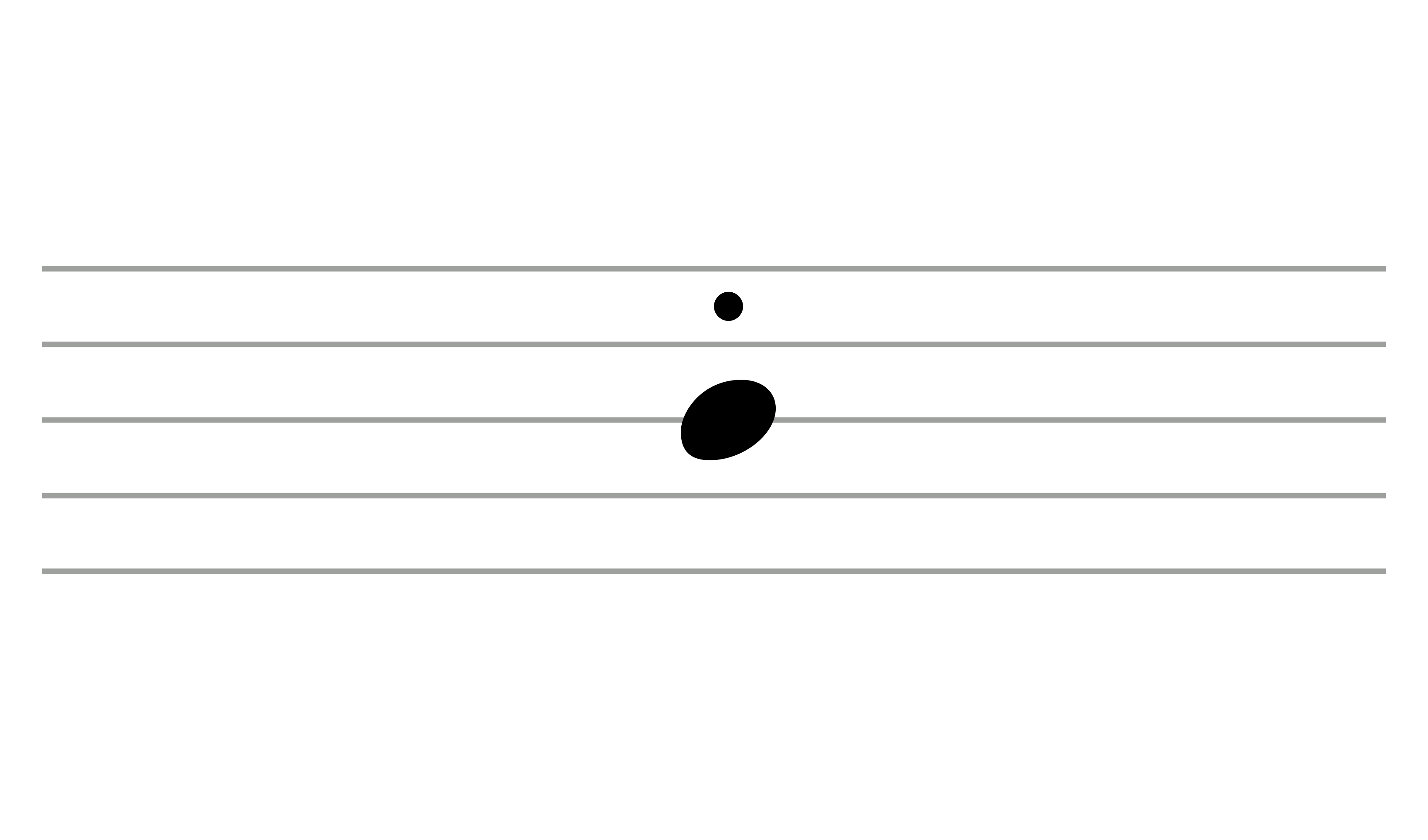
From Minuet in G Major by J.S. Bach (attrib.; BWV Anh. 114, likely Christian Petzold), source measure 2. a dot above or below a notehead
Staccato
Play the note detached and shorter than its written value.
Open the live example -
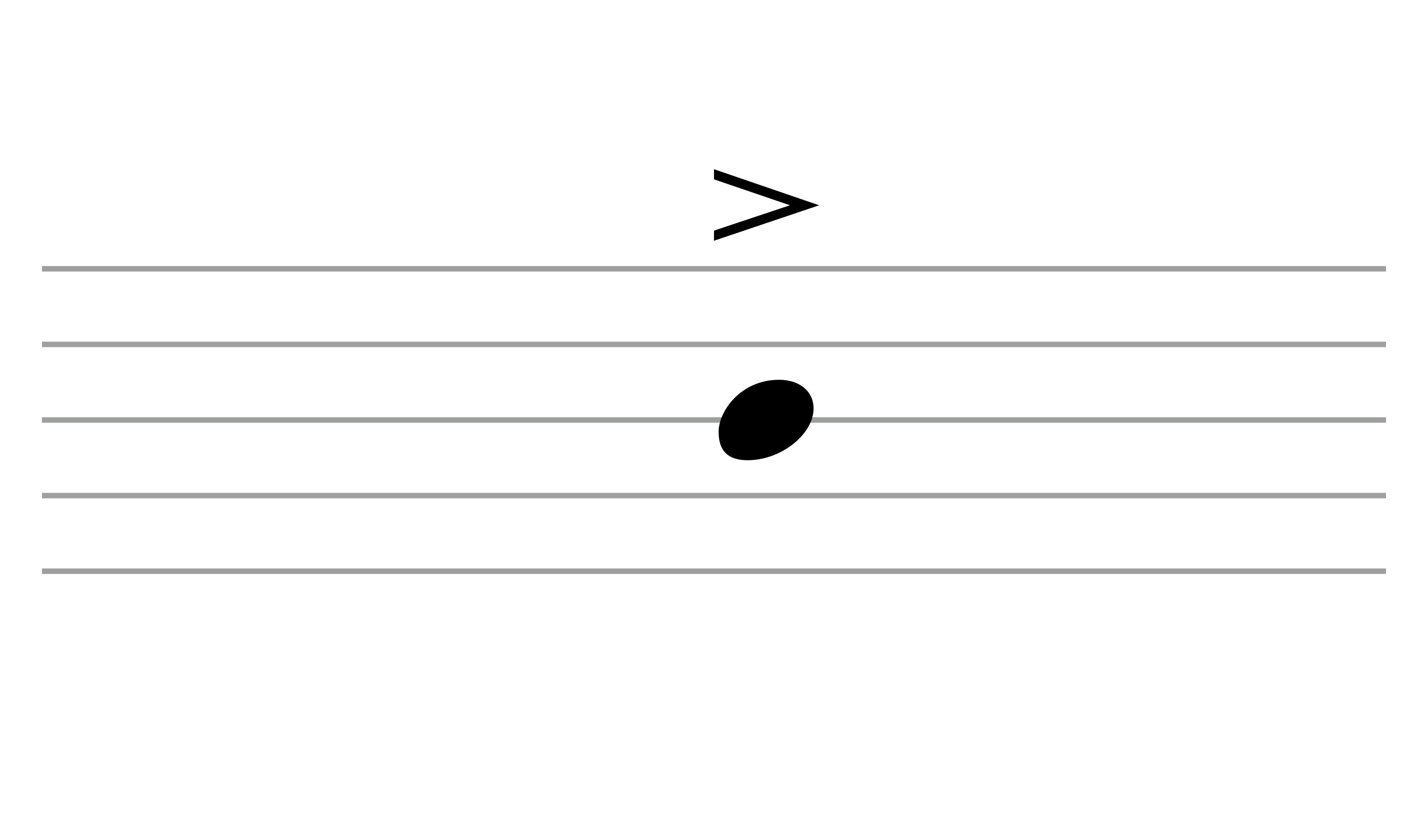
From Ah, Love, but a Day!, Op. 44 No. 2 (piano part) by Amy Beach, source measure 40. a sideways wedge: >
Accent
Give one note a stronger attack than its neighbours.
Open the live example -
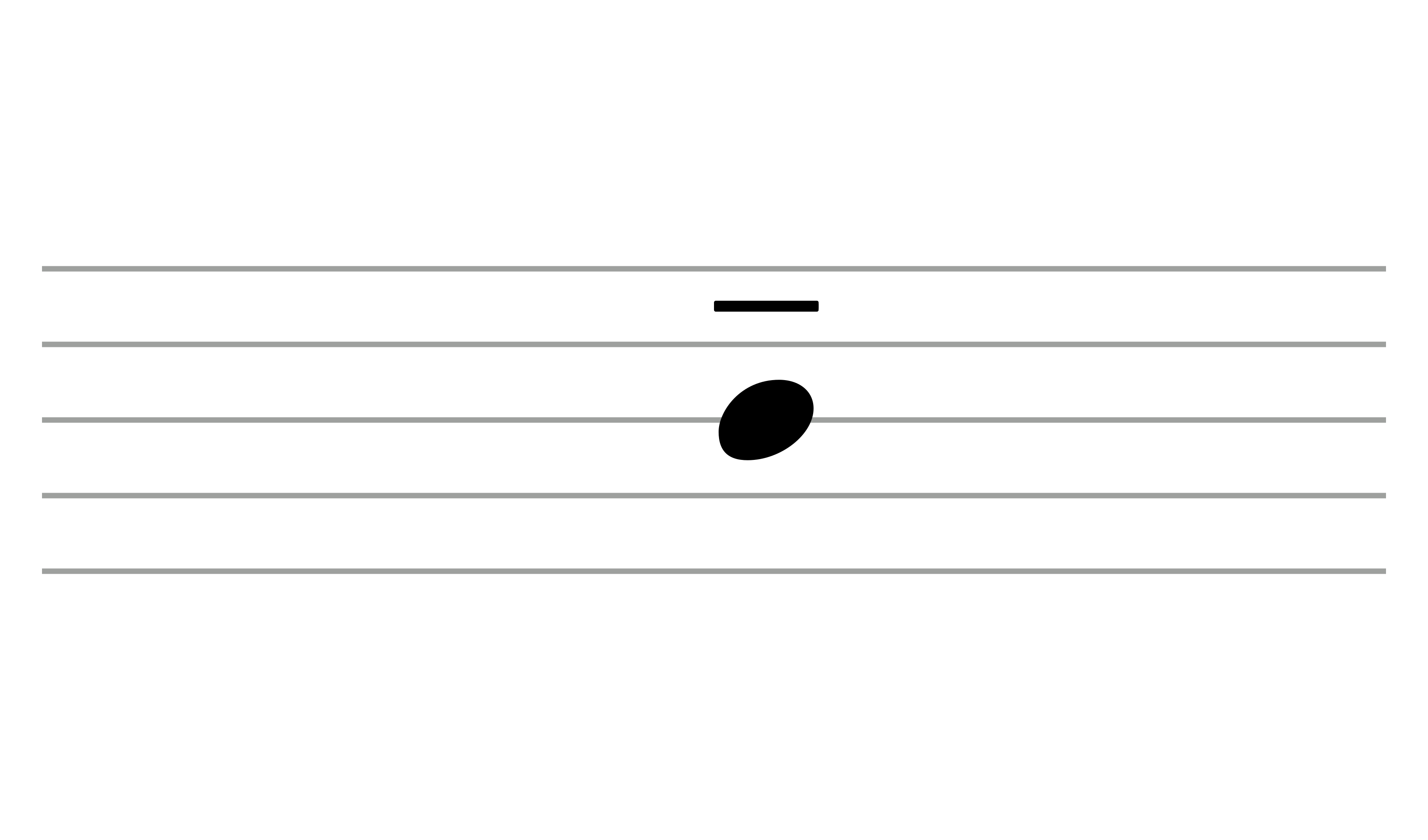
From Fairy Lullaby, Op. 37 No. 3 (piano part) by Amy Beach, source measure 35. a short horizontal line above or below a note
Tenuto
Give the note its full value and a gently sustained emphasis.
Open the live example -
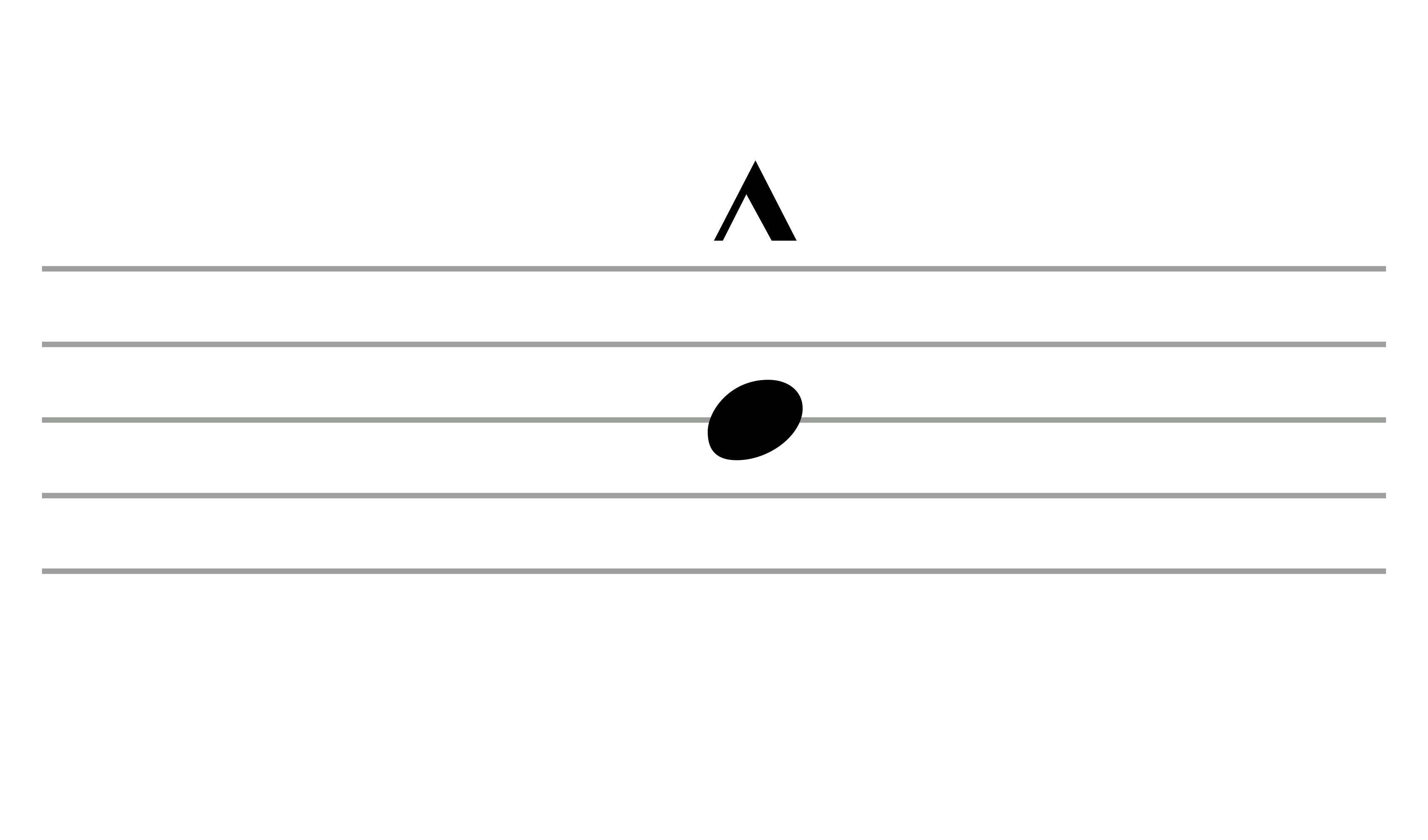
From The Entertainer by Scott Joplin, source measure 4. a pointed vertical wedge: ^
Marcato
Play the note strongly marked, with more forceful definition than an ordinary accent.
Open the live example -
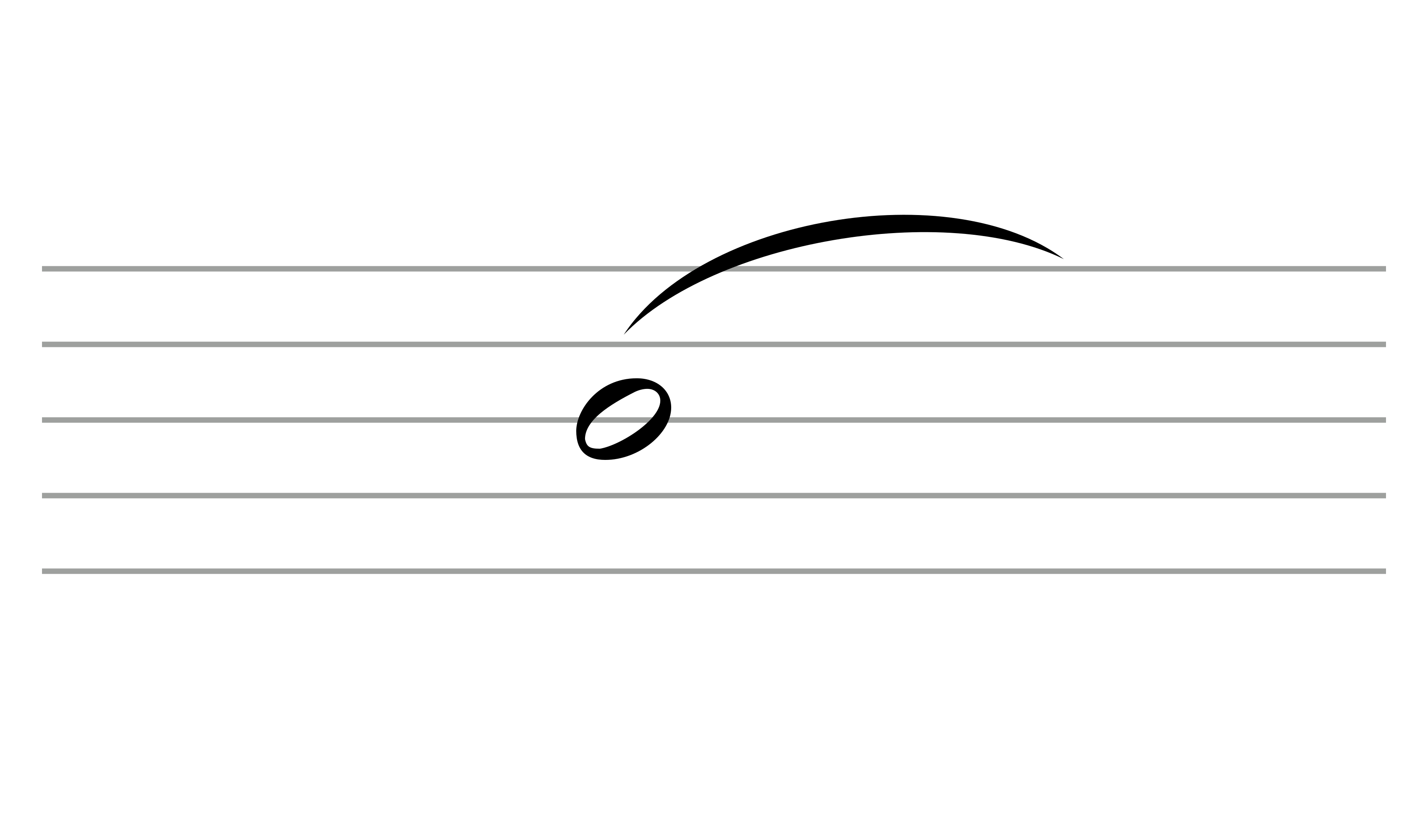
From Minuet in G Major by J.S. Bach (attrib.; BWV Anh. 114, likely Christian Petzold), source measure 1. a curved line joining notes of different pitches
Slur and legato
Connect the notes under the curve into one smooth gesture.
Open the live example -
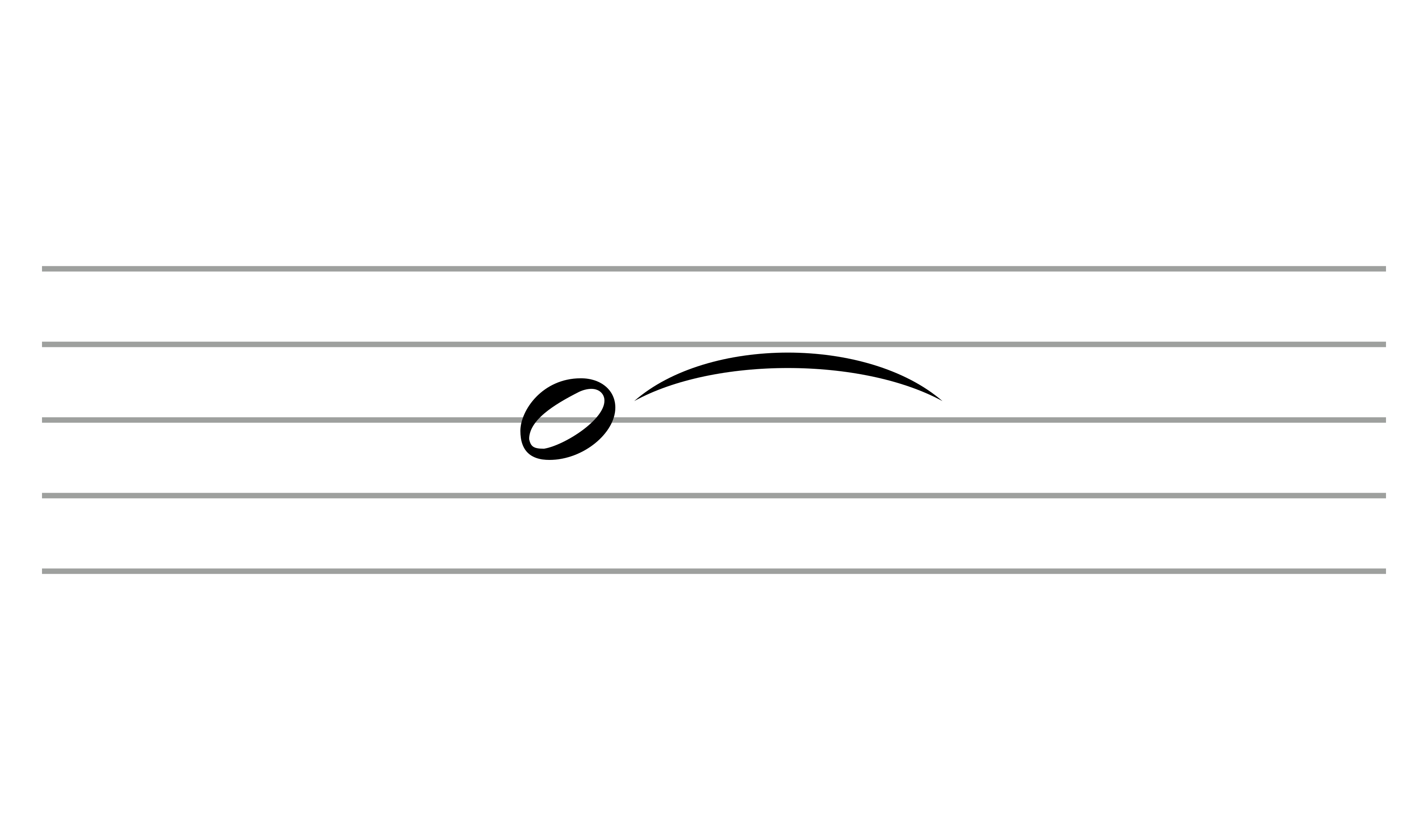
From By Dimpled Brook (piano part) by Thomas Arne, source measure 6. a curved line joining two notes of the same pitch
Tie
Strike the pitch once and hold it for the combined written duration.
Open the live example -
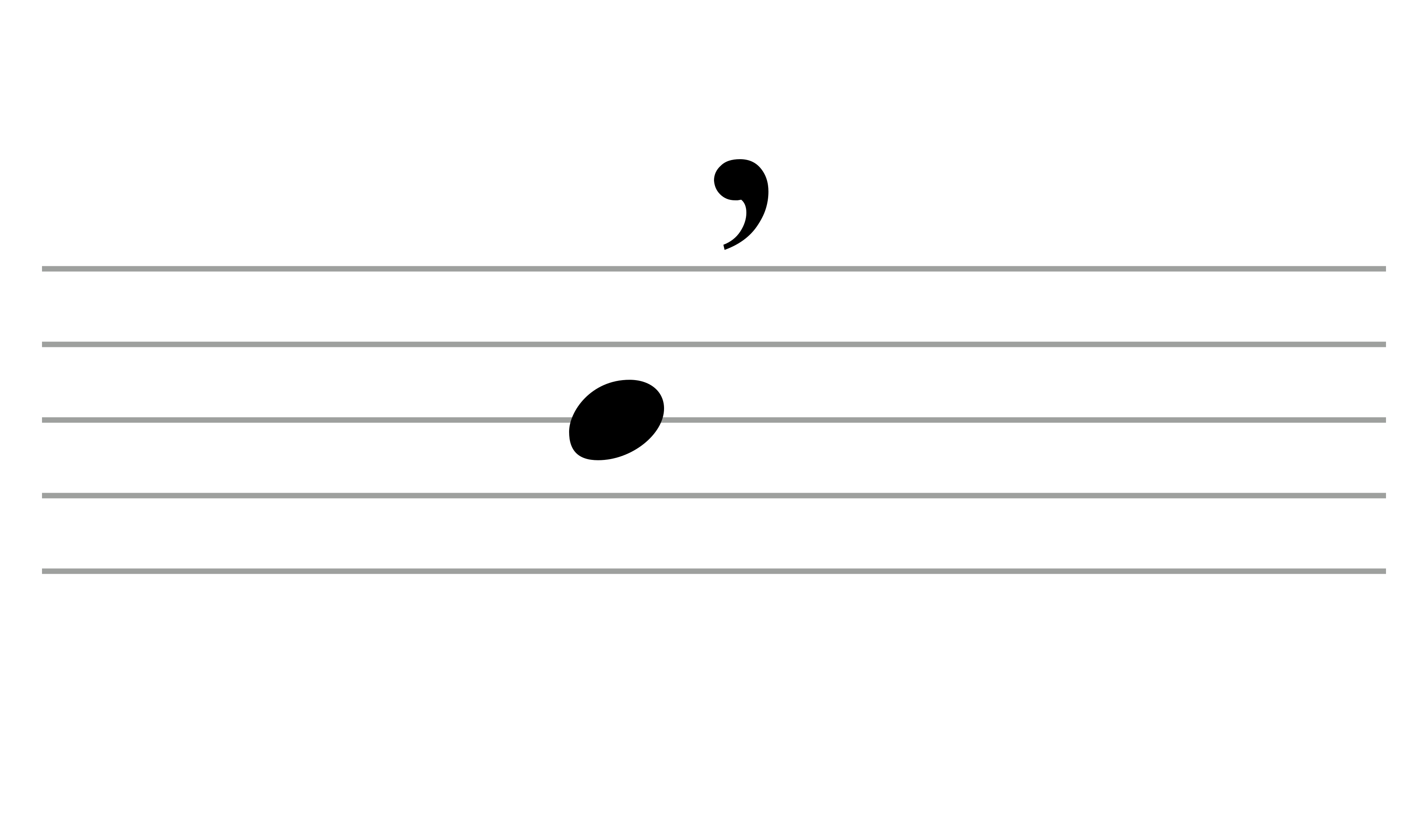
From Deux ancolies (piano part) by Lili Boulanger, source measure 11. a small comma above the staff
Breath mark
Make a brief lift before the next phrase, like a singer taking breath.
Open the live example -
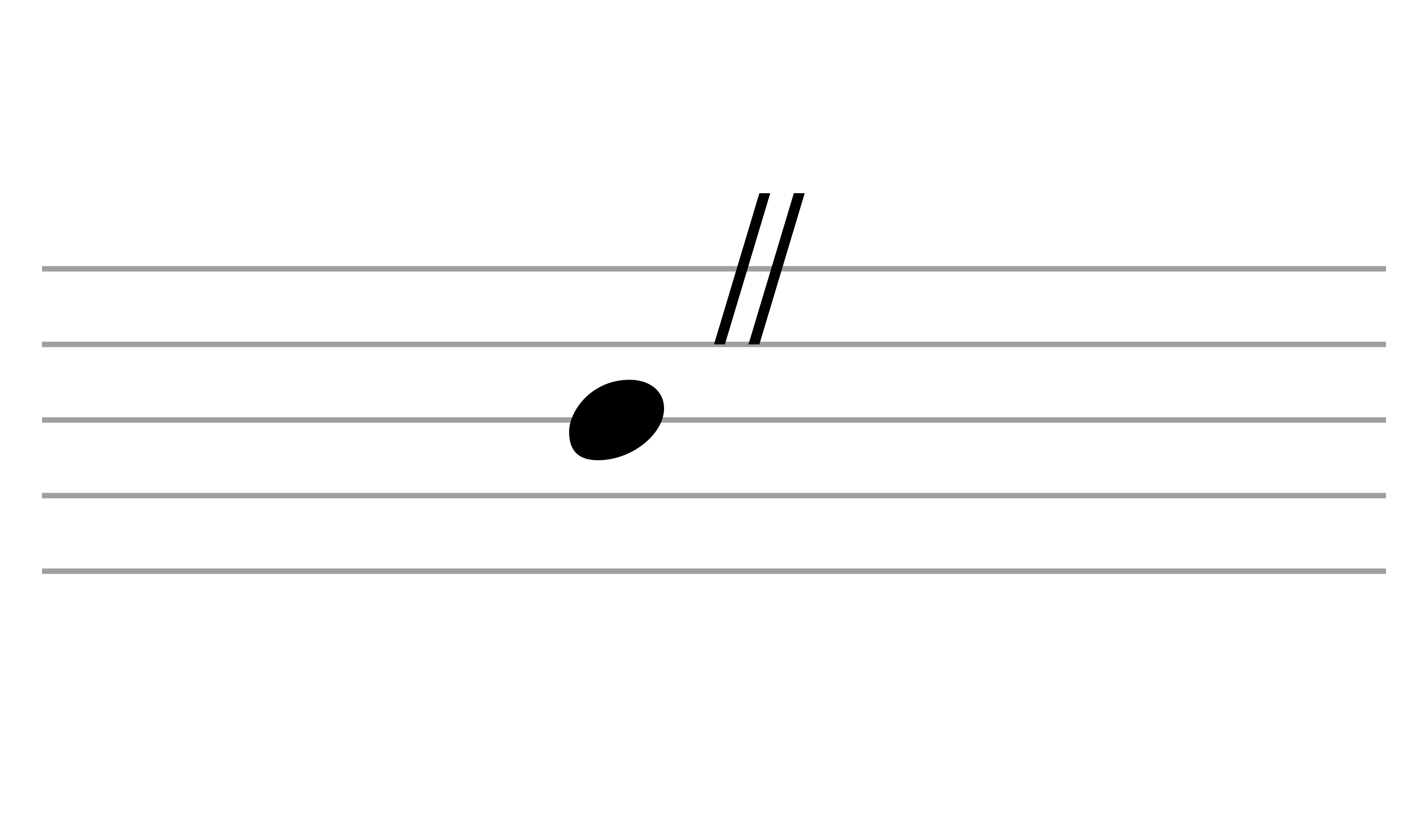
From Mort de Socrate (piano part) by Erik Satie, source measure 153. two slanted strokes or a curved railway-track break
Caesura
Interrupt the musical flow for a distinct, expressive pause.
Open the live example